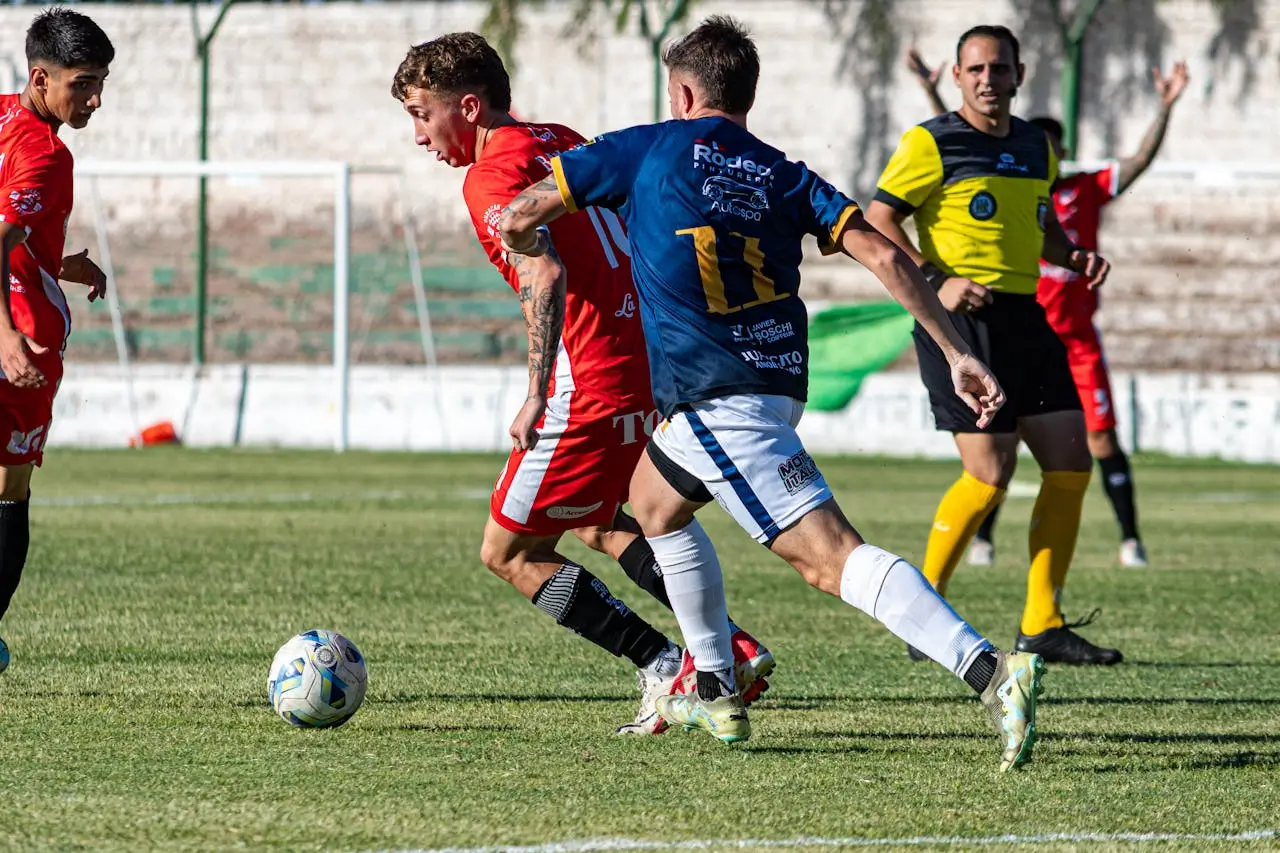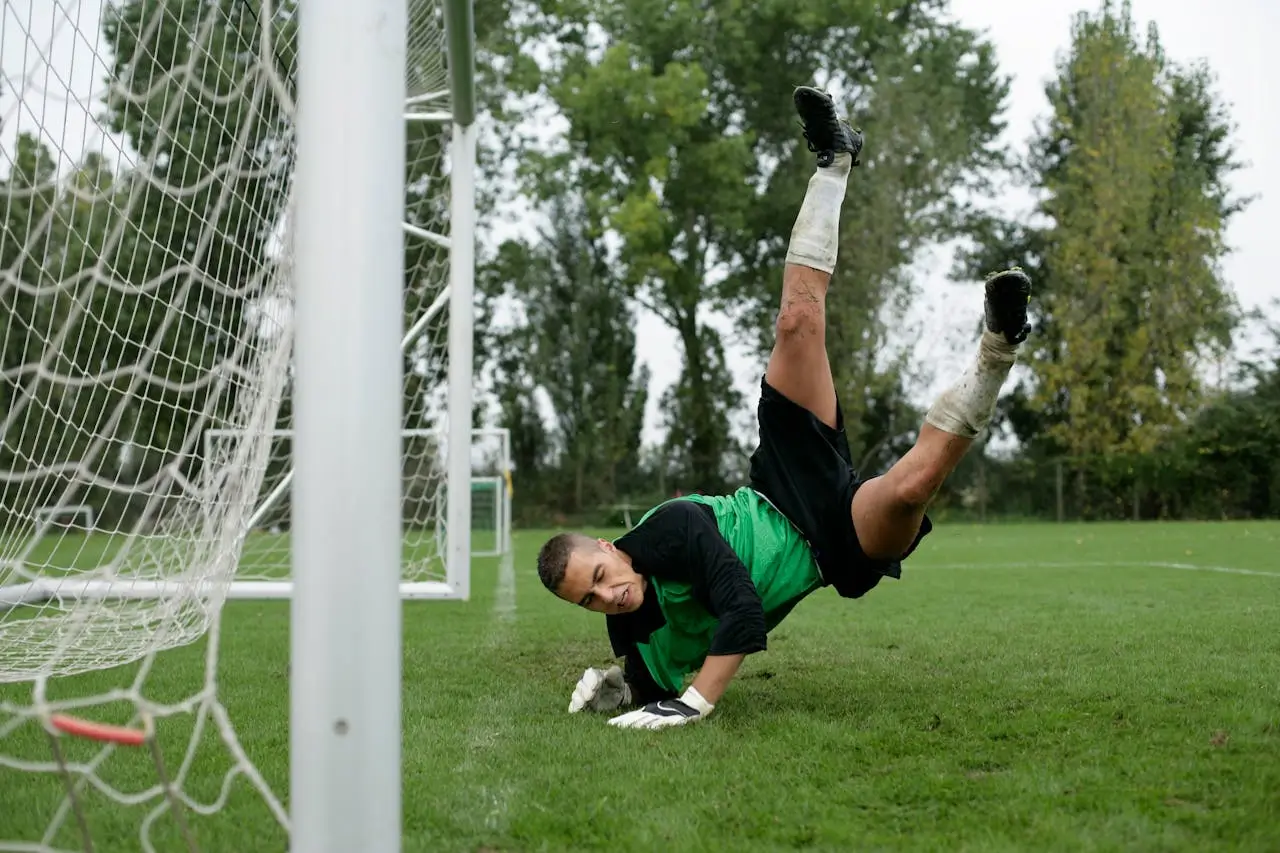
Penalty kicks represent one of football’s purest psychological battles, where technical skill matters, but mental strength often decides the outcome. With the game momentarily frozen and millions watching, the pressure placed on the taker is unlike any other situation on the pitch. Some players thrive in these moments, displaying a calm that seems immune to noise, expectation, and consequence, while others struggle despite equal or greater technical ability. The difference lies largely in psychology rather than technique. Players who consistently score penalties tend to rely on routine, clarity, and emotional control, treating the kick as a repeatable action rather than a defining moment. They block out distractions, commit fully to their decision, and trust muscle memory instead of reacting to the goalkeeper’s movements. Confidence built through preparation and past success reinforces this mindset, allowing them to approach penalties with composure rather than fear. In contrast, hesitation, overthinking, and awareness of consequences often lead to failure. The psychology of penalties reveals how belief, focus, and self-regulation can override pressure, turning the most stressful moment in football into an opportunity rather than a threat. Understanding why some players never miss highlights the powerful role of the mind in elite performance, where calm thinking under pressure becomes the ultimate competitive advantage.