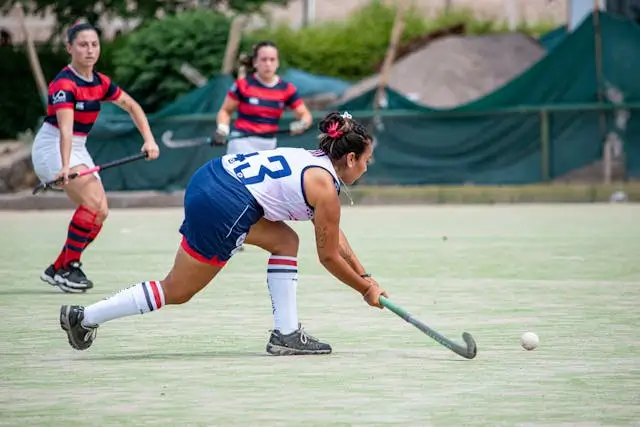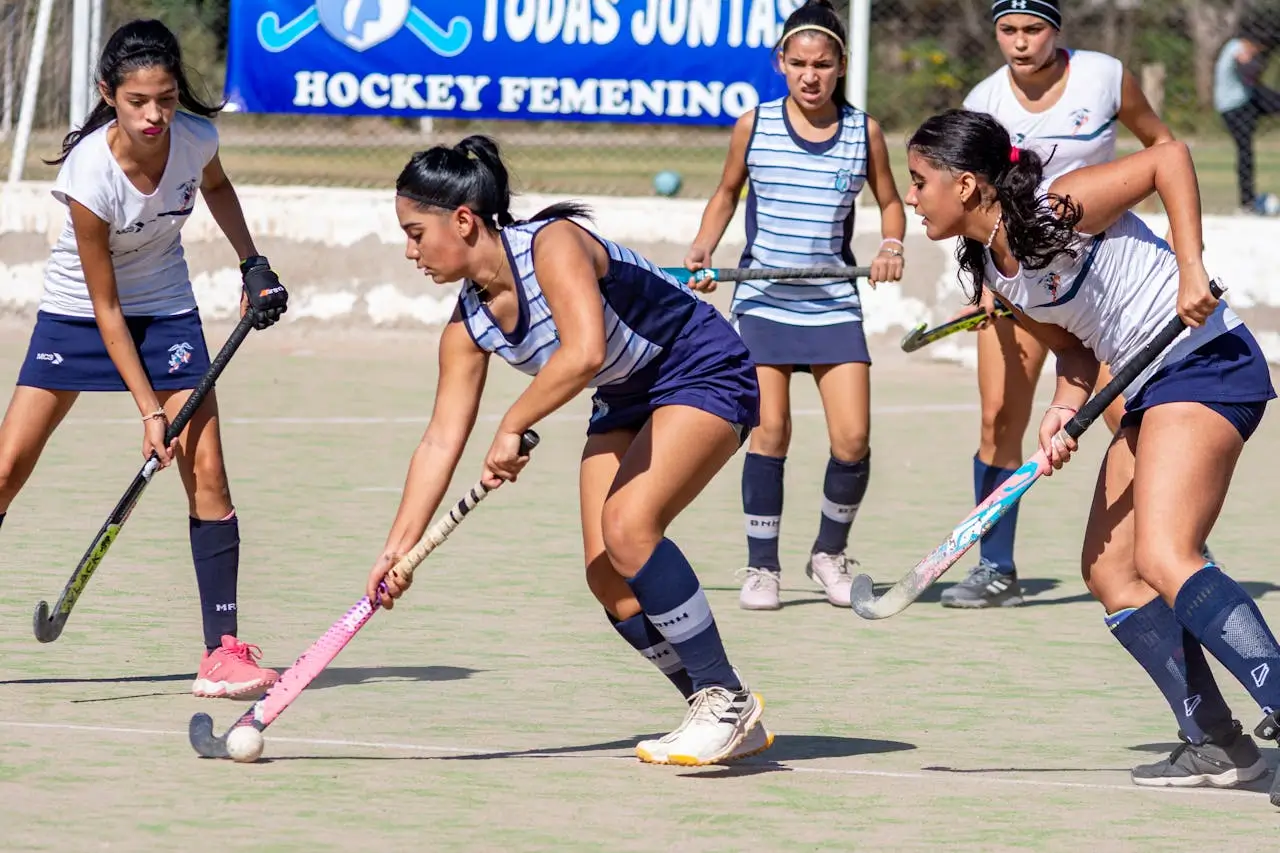
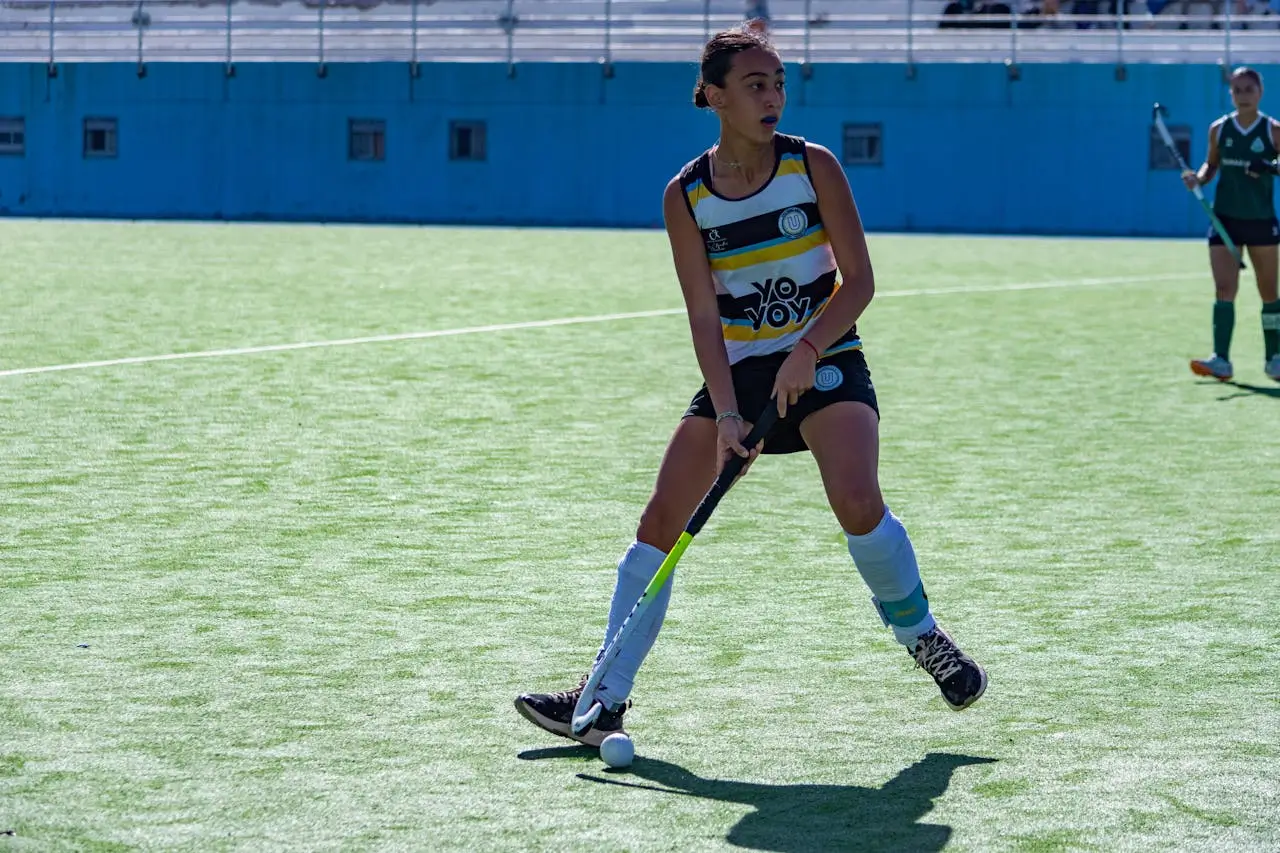
Hockey is often described as one of the fastest and toughest sports in the world, combining speed, skill, strength, and endurance in a relentless contest played on ice or turf. While fans are drawn to the excitement of goals, hard tackles, and rapid transitions, the true complexity of hockey lies beneath the surface. The game demands extraordinary physical conditioning and an equally strong mental framework, as players are required to perform at high intensity while making split-second decisions under constant pressure. Whether played at amateur, professional, or international levels, hockey tests the limits of human focus, resilience, and adaptability in ways few sports can match.
Hockey as a Game of Continuous Pressure
Unlike sports that allow frequent pauses or slow build-ups, hockey unfolds at a relentless pace. Players must remain mentally alert from the opening whistle to the final moments, knowing that a single lapse in concentration can lead to a goal or a costly defensive breakdown. The speed of the game compresses time and space, forcing players to read the play instinctively and react immediately. This constant pressure creates a demanding environment where hesitation is punished and confidence becomes essential for effective performance.
The intensity of hockey also amplifies emotional challenges. Momentum can shift rapidly, with goals, penalties, or turnovers altering the direction of a match within seconds. Players must learn to manage frustration, excitement, and fatigue simultaneously. Those who struggle to regulate emotions often lose positional discipline or make reckless decisions, while mentally strong players maintain composure and focus regardless of external circumstances.
Physical Endurance and Conditioning in Hockey
Hockey places exceptional demands on the body. Explosive sprints, rapid changes of direction, physical contact, and sustained effort require a unique blend of strength, speed, and stamina. Players must generate power repeatedly while maintaining balance and coordination in a highly dynamic environment. Fatigue is a constant presence, especially during long shifts or extended matches, making physical conditioning a critical factor in overall performance.
Endurance in hockey is not simply about lasting the duration of a match but about maintaining quality under exhaustion. As fatigue sets in, reaction times slow and technical execution becomes more difficult. Well-conditioned players are able to preserve accuracy, positioning, and decision-making even late in games, giving their teams a significant competitive advantage. Conditioning also plays a vital role in injury prevention, as stronger, more resilient bodies are better equipped to handle the physical stress inherent in the sport.
The Mental Battle of Decision-Making at Speed
One of hockey’s defining characteristics is the speed at which decisions must be made. Players often have only a fraction of a second to choose between passing, shooting, defending, or repositioning. These decisions occur under pressure from opponents, teammates, and the overall flow of the game. Mental clarity becomes crucial, as overthinking can be just as damaging as poor execution.
Experienced hockey players develop an ability to anticipate situations before they fully unfold. This anticipation reduces cognitive load and allows actions to feel instinctive rather than forced. Mental preparation, repetition, and experience all contribute to this ability. When players trust their instincts and training, they perform more fluidly and confidently, even in chaotic situations.