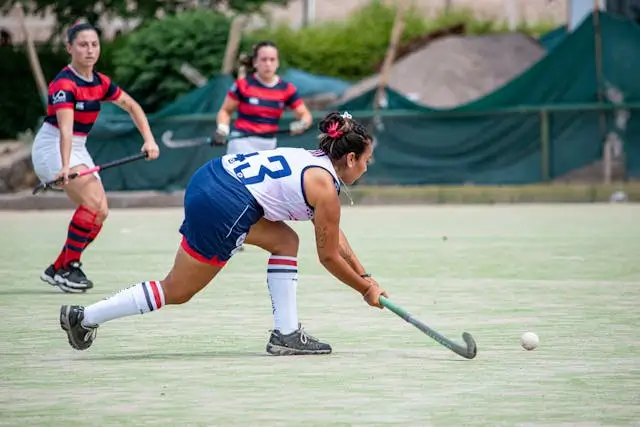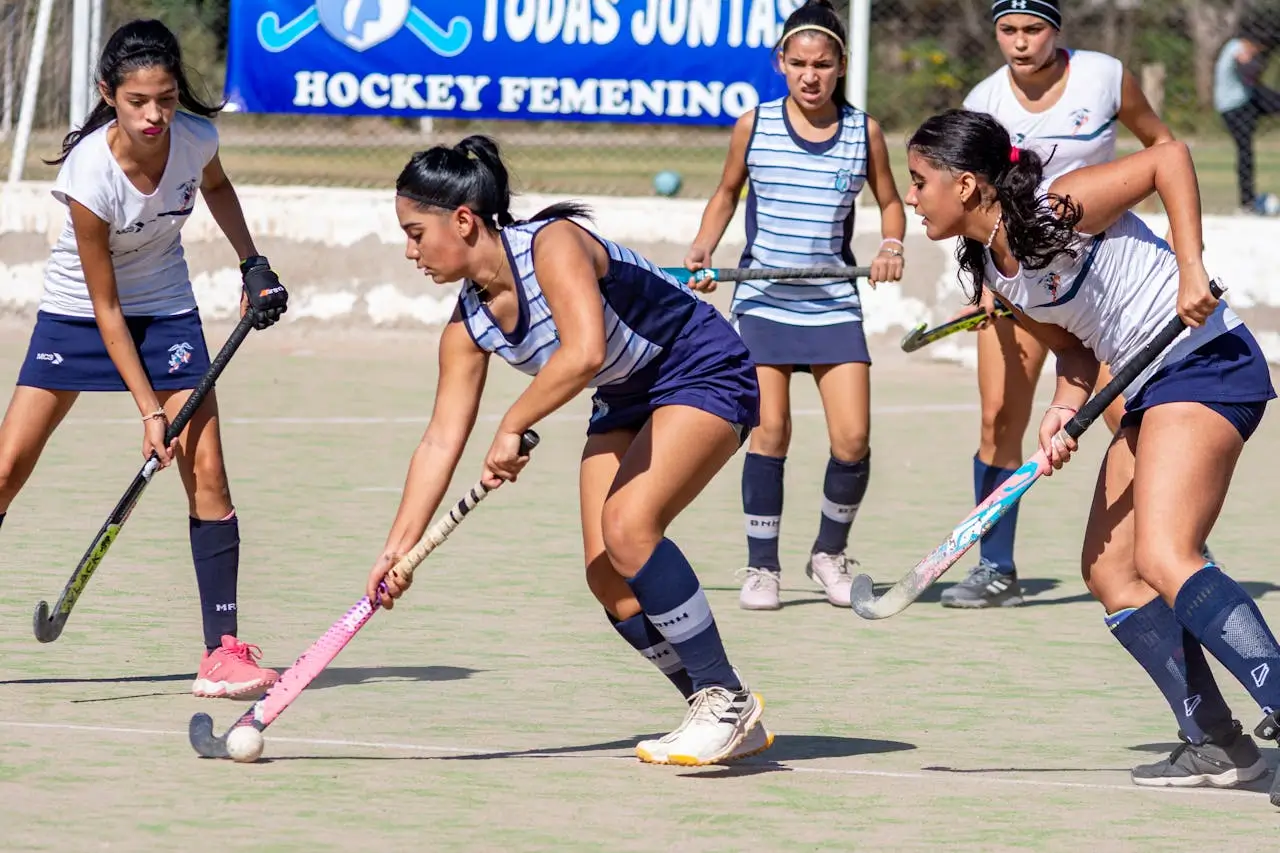
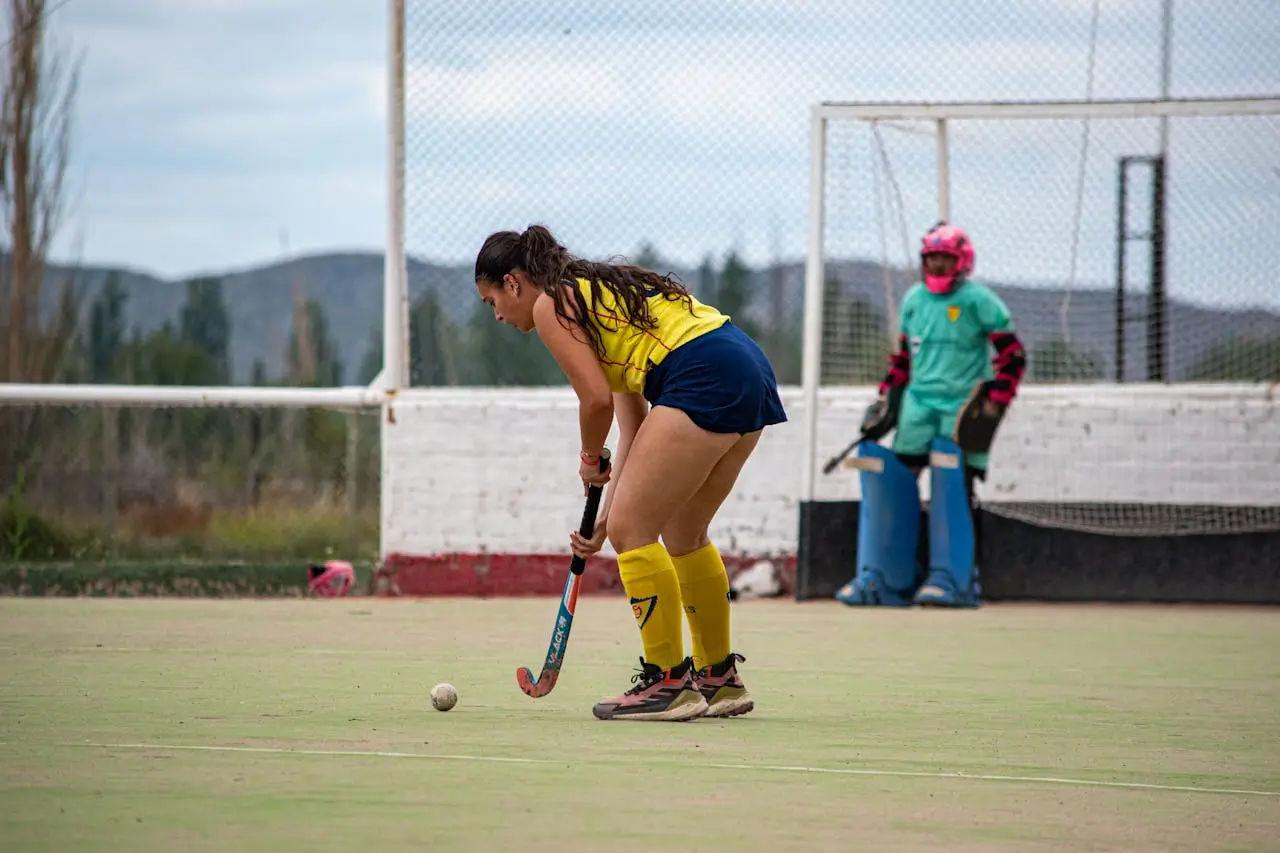
Hockey is a sport that places extraordinary physical demands on its players. From explosive sprints and rapid directional changes to sustained physical contact and high-speed transitions, the game requires athletes to operate at maximum intensity for extended periods. Unlike many sports where effort fluctuates, hockey demands near-constant engagement, making physical conditioning and endurance central to performance. Players who lack conditioning struggle not only with fatigue but also with decision-making, positioning, and technical execution. At every competitive level, physical preparation forms the foundation upon which skill and strategy are built.
The Unique Physical Demands of Hockey
Hockey challenges the body in ways few other sports do. Players must combine speed, strength, balance, and coordination while navigating a confined space under pressure from opponents. The stop-start nature of the game requires repeated bursts of high-intensity movement followed by brief recovery periods. This pattern places heavy strain on both aerobic and anaerobic energy systems, demanding well-rounded conditioning rather than simple endurance. The ability to accelerate, decelerate, and change direction efficiently is critical, especially as fatigue sets in and form begins to deteriorate.
Physical contact further intensifies these demands. Players must absorb and deliver force while maintaining stability and control. This requires core strength, lower-body power, and upper-body resilience. Without proper conditioning, players become vulnerable to injury and performance decline, particularly in later stages of matches when fatigue compromises technique.
Endurance as a Competitive Advantage
Endurance in hockey extends beyond the ability to last the duration of a match. It involves sustaining high-quality performance despite physical exhaustion. Well-conditioned players maintain speed, balance, and awareness deep into games, allowing them to execute skills accurately when others begin to fade. This endurance translates directly into competitive advantage, particularly during high-pressure moments late in matches.
Fatigue affects more than physical output. As players tire, reaction times slow and mental clarity declines, leading to poor positioning and decision-making. Endurance training helps mitigate these effects, enabling players to remain composed and effective under sustained pressure. Teams with superior conditioning often dominate possession late in games, forcing opponents into errors caused by exhaustion.
Strength, Power, and Stability
Strength training is a crucial component of hockey conditioning. The sport demands powerful lower-body drive for skating, rapid acceleration, and stability during physical contact. Upper-body strength supports puck control, shooting power, and resistance against opponents. Core stability ties these elements together, providing balance and control during dynamic movements.
Power generation is particularly important in hockey, where short bursts of explosive movement determine outcomes. Players must produce maximum force in minimal time, whether sprinting, shooting, or engaging physically. Conditioning programs that develop power alongside endurance allow players to maintain explosiveness even as fatigue accumulates.