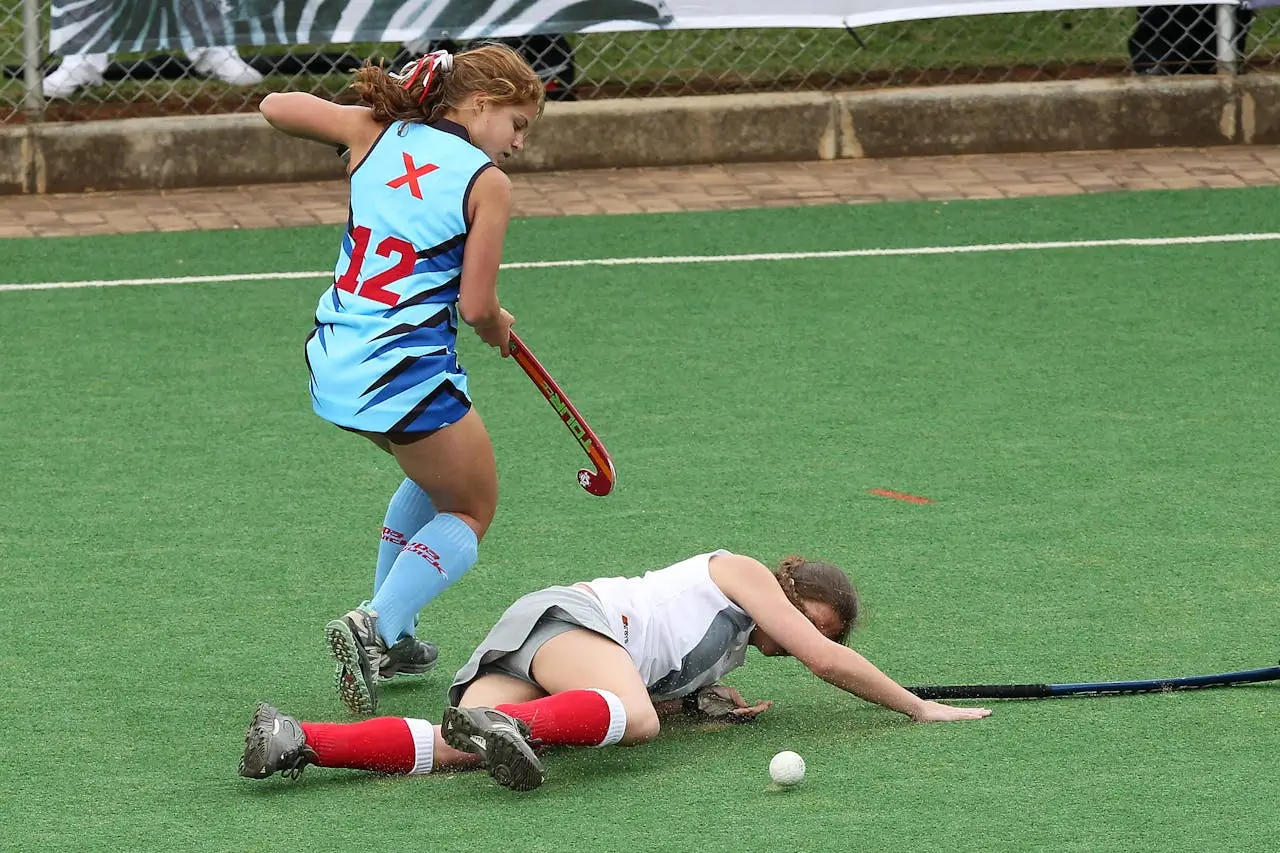
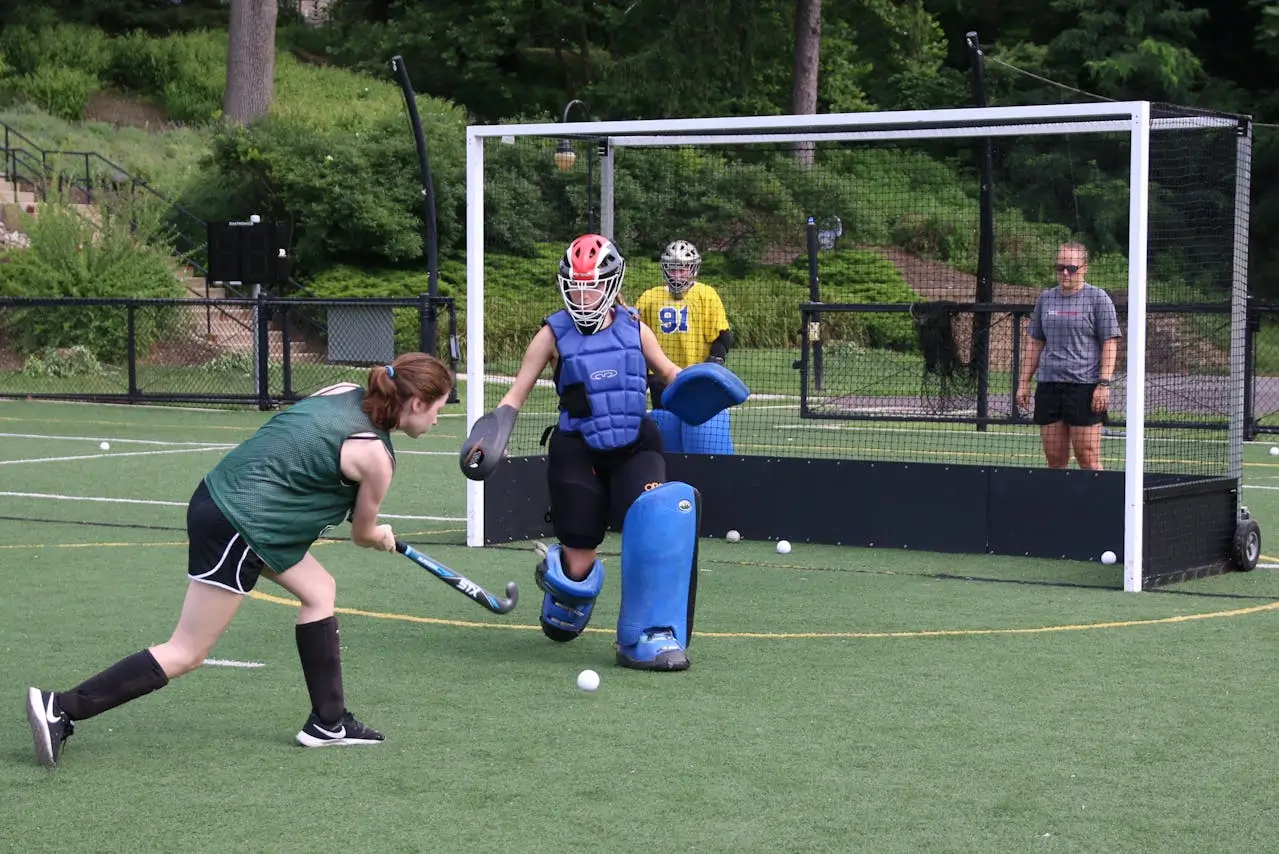
Hockey is widely recognised for its physical intensity, speed, and toughness, but its mental demands are just as unforgiving. The game unfolds at a pace that leaves little room for hesitation, requiring players to think clearly and act decisively under constant pressure. Every shift presents new challenges, from defensive responsibilities and physical confrontations to split-second attacking decisions. In this environment, mental strength becomes a decisive factor in performance. Players who can manage pressure, control emotions, and maintain focus gain a significant advantage, while those who struggle mentally often find their physical skills undermined by doubt and distraction.
Hockey as a High-Pressure Mental Environment
Hockey places players in a continuous state of psychological stress. The speed of play compresses time and space, forcing athletes to process information and react almost instantly. Unlike slower sports that allow moments of reflection, hockey demands constant awareness. One mistake can immediately lead to a scoring opportunity for the opposition, increasing the mental weight carried by every decision. This pressure intensifies as the game progresses, particularly in close matches where each shift feels consequential.
Crowd noise, physical contact, and the emotional energy of competition further heighten this mental environment. Players must remain locked into the game while managing external stimuli that can easily disrupt concentration. Those who develop strong mental focus learn to narrow their attention, filtering out distractions and staying connected to the flow of play regardless of surrounding chaos.
Decision-Making Under Speed and Stress
Decision-making is at the core of hockey performance. Players must constantly choose between passing, shooting, holding possession, or changing position, often with defenders closing in rapidly. Under stress, the brain naturally seeks safety, which can lead to rushed or overly conservative decisions. Mentally strong players resist this instinct, trusting their training and instincts even when under pressure.
Experience plays a crucial role in sharpening decision-making. As players encounter repeated situations, they develop pattern recognition that allows them to anticipate outcomes rather than react blindly. This mental efficiency reduces hesitation and enables smoother execution. When decision-making becomes instinctive, players conserve mental energy and perform with greater confidence.
Emotional Control and Discipline
Hockey’s physical nature makes emotional control essential. Aggression can be a powerful tool when channelled correctly, but uncontrolled emotion often leads to penalties, positional breakdowns, and loss of structure. Players must balance intensity with discipline, ensuring that physical engagement enhances performance rather than disrupts it.
Emotional discipline is tested during controversial moments such as disputed calls, physical altercations, or momentum swings. Players who react emotionally often lose focus, while those who remain composed help stabilise their team. Maintaining emotional balance allows players to stay committed to systems and responsibilities even when frustration builds.
Confidence and Self-Belief in Hockey
Confidence directly influences how players perform in hockey. Confident players move decisively, engage physically without hesitation, and execute skills with clarity. This self-belief often stems from preparation, repetition, and trust in one’s abilities. When confidence is high, players embrace responsibility rather than avoid it, particularly during critical moments.
Conversely, a lack of confidence can quickly spread through performance. Hesitation leads to slower reactions, weaker positioning, and missed opportunities. Mental resilience allows players to rebuild confidence after mistakes, understanding that errors are an inevitable part of a fast-paced game. The ability to reset mentally after setbacks is a defining trait of elite hockey players.
Handling Mistakes and Setbacks
Mistakes are unavoidable in hockey, but how players respond to them determines long-term performance. A missed assignment or turnover can linger mentally if not addressed properly, affecting subsequent shifts. Players who dwell on errors often compound problems by losing focus or confidence.
Mentally resilient players acknowledge mistakes quickly and refocus on the next play. This ability to reset prevents one error from turning into a pattern of poor decisions. Coaches often emphasise short memory as a mental skill, teaching players to learn from mistakes without carrying emotional baggage into future moments.