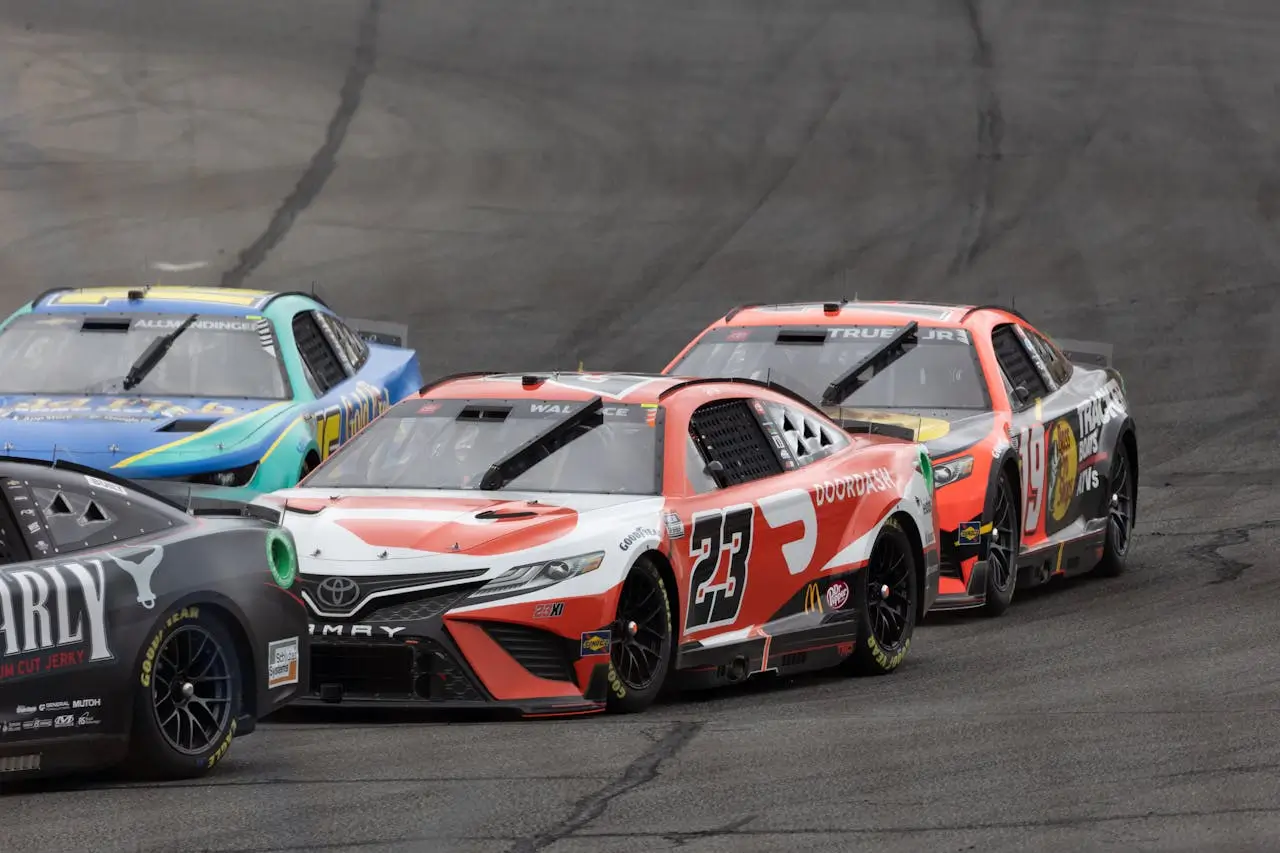
Motorsports are often perceived as a contest of machinery, speed, and engineering excellence, but at their core they are an intense test of human capability. Drivers operate powerful machines at extreme speeds while processing vast amounts of information in real time. Every lap requires precision, concentration, and physical control under conditions that leave no room for hesitation. Unlike many traditional sports, motorsports combine prolonged mental focus with severe physical strain, placing drivers in an environment where endurance, resilience, and composure are just as important as raw talent. Success in motorsports is shaped not only by technical skill but by the ability to perform consistently under relentless pressure.
Motorsports as a High-Intensity Mental Challenge
The mental demands of motorsports are extraordinary. Drivers must maintain absolute focus for extended periods, often lasting hours, while navigating complex circuits at high speed. Every corner, braking point, and throttle input requires attention, and even the smallest lapse in concentration can result in costly mistakes or dangerous incidents. Unlike sports where play stops frequently, motorsports demand uninterrupted focus, forcing drivers to remain mentally engaged from start to finish.
Mental fatigue becomes a critical factor, particularly during long races or extreme conditions. As concentration wanes, reaction times slow and decision-making suffers. Elite drivers train their minds to remain sharp under fatigue, developing the ability to reset mentally after errors and refocus instantly. This mental resilience allows them to perform consistently even as pressure accumulates lap after lap.
Decision-Making at Extreme Speed
Motorsports demand decision-making at speeds far beyond normal human experience. Drivers must react to changing track conditions, competitor behaviour, and mechanical feedback in fractions of a second. These decisions are often made instinctively, relying on experience and muscle memory rather than conscious thought.
Under pressure, the brain’s natural tendency is to hesitate or overcorrect, both of which can be disastrous at high speed. Successful drivers learn to trust their instincts and preparation, committing fully to decisions even when conditions are unpredictable. This decisiveness separates elite competitors from those who struggle to adapt under race conditions.
Physical Endurance and Strain
Despite appearing seated and controlled, motorsports place intense physical demands on drivers. High-speed cornering generates significant forces that strain the neck, core, and upper body. Drivers must maintain precise control while resisting these forces, often for extended periods without relief. Physical fatigue can compromise steering accuracy, braking consistency, and throttle control, making endurance a critical component of performance.
Heat further intensifies physical strain. Cockpit temperatures can rise dramatically, leading to dehydration and exhaustion. Drivers must manage physical discomfort while maintaining focus and control. Physical conditioning allows drivers to withstand these conditions, preserving performance even when the body is under severe stress.
The Relationship Between Fitness and Performance
Physical fitness directly influences mental clarity in motorsports. A well-conditioned driver is better equipped to handle fatigue, maintain posture, and execute precise movements under stress. Fitness supports endurance, allowing drivers to sustain performance levels throughout a race rather than fading in later stages.
Strength and conditioning also reduce injury risk and improve recovery between events. As motorsports schedules become more demanding, physical preparation has become essential for longevity and consistency. Drivers who prioritise fitness gain a competitive edge, particularly in physically demanding racing environments.
Handling Pressure and Expectations
Pressure in motorsports comes from multiple sources, including team expectations, competition, and personal ambition. Drivers operate in an environment where outcomes are highly visible and mistakes are magnified. This visibility creates psychological pressure that can influence performance, particularly in high-stakes races or championship-deciding moments.
Elite drivers manage pressure by focusing on controllable factors rather than outcomes. They approach each lap as an independent task, maintaining process-driven focus rather than dwelling on results. This mindset reduces anxiety and allows for clearer decision-making under stress.