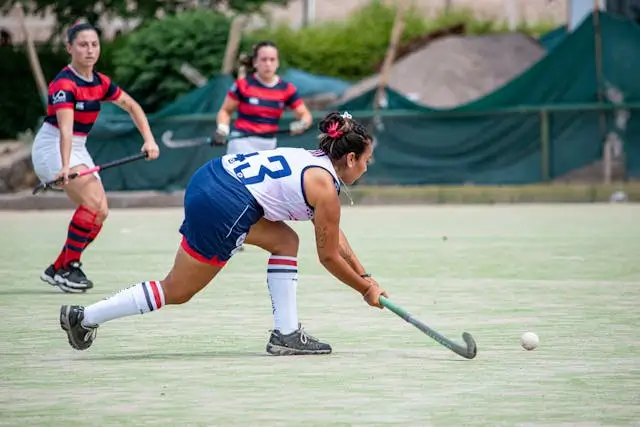
Hockey is a fast, fluid team sport where effective communication is essential for success. Players must exchange information quickly and clearly to maintain structure, adapt to changing situations, and support one another on the ice.
Mental Focus and Game Awareness
Hockey requires players to maintain high levels of concentration throughout the game due to its speed and constant transitions. Athletes must process multiple sources of information at once, including puck movement, opponent positioning, and tactical responsibilities, while remaining prepared to react instantly to changes in play.
Decision-Making Under Pressure
Players are frequently required to make rapid decisions while under physical and psychological stress. The ability to choose effective options—such as passing, shooting, or repositioning—without hesitation is essential, as delayed or rushed decisions can quickly lead to turnovers or defensive breakdowns.
Emotional Control and Discipline
The physical and competitive nature of hockey places strong demands on emotional regulation. Players must channel aggression constructively while avoiding emotional reactions that result in penalties or loss of structure, particularly during high-intensity or controversial moments.
Confidence and Resilience
Confidence influences a player’s willingness to engage physically, take responsibility, and execute skills effectively. Resilient players recover quickly from mistakes, maintaining self-belief and performance consistency despite errors or setbacks.
Fatigue and Mental Endurance
As physical fatigue increases, mental performance becomes harder to sustain. Hockey players must rely on strong habits, tactical awareness, and psychological endurance to maintain focus and decision-making quality, especially late in games.