
Basketball tactics have evolved alongside changes in athleticism, coaching philosophy, and how the game is consumed. What was once a structured, set-play-driven sport has become fluid, fast, and heavily influenced by spacing and decision-making. Modern basketball prioritises adaptability, efficiency, and versatility, forcing players and coaches to rethink traditional roles. Understanding how tactics have changed helps explain why today’s game looks dramatically different from earlier eras.
From Structured Sets to Flowing Offense
Early basketball relied heavily on rigid offensive systems designed to create specific scoring opportunities. Plays were memorised, rehearsed, and executed with little deviation. As players became more skilled and athletic, these rigid systems began to limit creativity. Coaches gradually embraced freer movement, allowing players to read defences and react in real time. This shift transformed offense into a continuous flow rather than a sequence of isolated actions.
The Importance of Spacing and Pace
Modern basketball revolves around spacing. By spreading the floor, teams create driving lanes, passing angles, and scoring opportunities that were previously unavailable. Pace has also increased, with teams looking to attack early before defences can set. This emphasis on speed and spacing forces defenders into difficult decisions, often exposing mismatches and breakdowns.
Defensive Adaptation and Switching
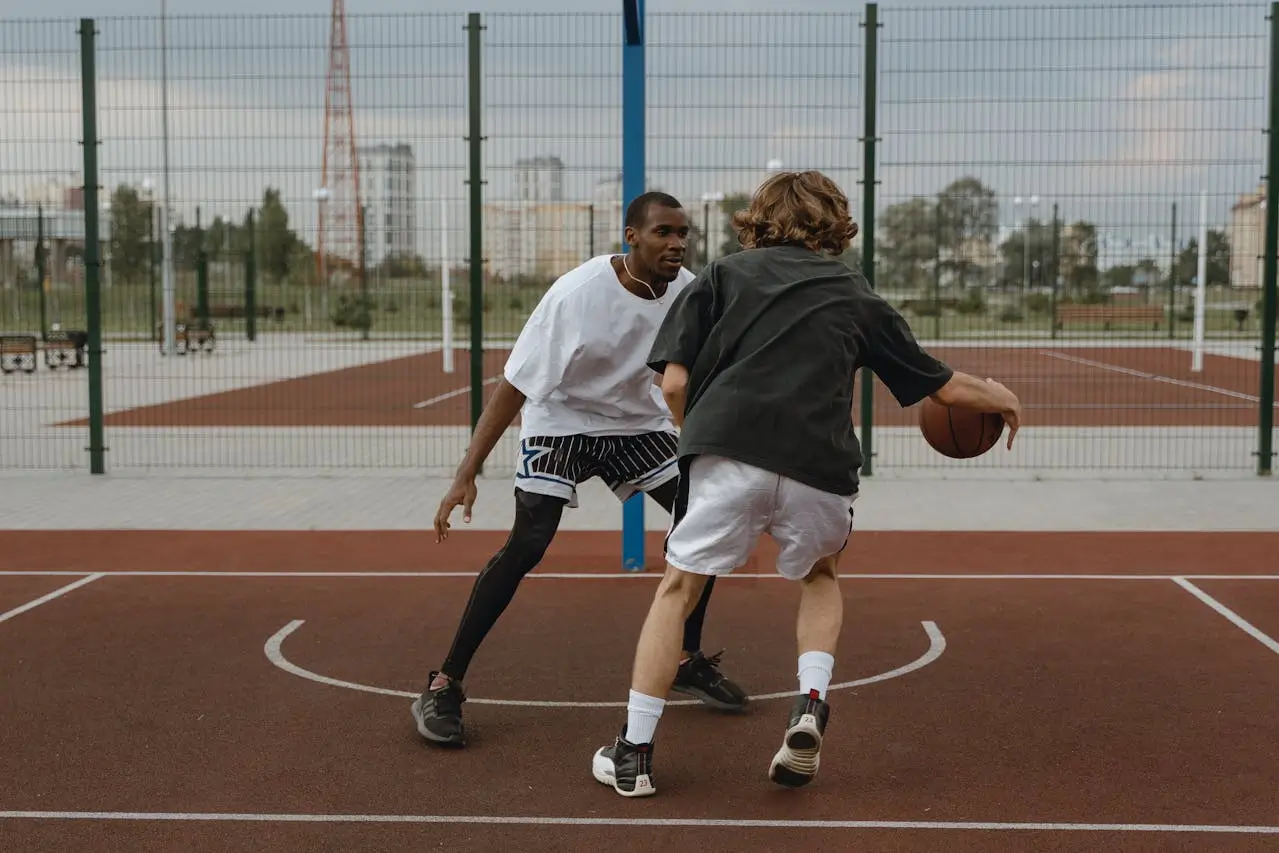
As offenses evolved, defences were forced to adapt. Switching, help defence, and rotational awareness became essential skills. Modern defenders must guard multiple positions and make rapid decisions without fouling. Tactical discipline on defence now relies as much on communication and anticipation as physical ability.
Tactical Flexibility in the Modern Era
The most successful teams are those that adjust quickly. Coaches now tailor tactics based on matchups, momentum, and player availability. This tactical flexibility reflects basketball’s evolution into a game where adaptability often outweighs rigid planning.