
Tennis has undergone a profound transformation over the decades, evolving from a sport dominated by finesse and classical technique into one defined by power, athleticism, and tactical intelligence. While the fundamental objective of the game remains unchanged, the way players construct points, manage matches, and exploit opponents has shifted dramatically. Modern tennis is no longer just about hitting the ball well; it is about understanding patterns, adapting strategies, and executing under relentless physical and mental pressure. The evolution of tennis strategy reflects broader changes in training, technology, and player development, shaping the modern game into a faster and more demanding contest than ever before.
Early Tennis and Classical Strategy
In earlier eras, tennis strategy revolved around precision, touch, and variety. Players relied heavily on serve-and-volley tactics, slicing, and net play to control points. Matches were often decided by positioning and timing rather than raw power, with rallies structured around creating openings through placement rather than force. Court craft and shot selection were paramount, as players sought to outmaneuver opponents through intelligent use of angles and pace.
This classical approach rewarded patience and creativity, particularly on faster surfaces where attacking the net was a natural progression. Strategy focused on dictating play early in points, reducing physical wear and emphasizing efficiency. While effective in its time, this style gradually became less dominant as equipment, surfaces, and athletic standards evolved.
The Rise of Baseline Dominance
As tennis courts slowed and racket technology advanced, baseline play became increasingly prominent. Players began constructing points from the back of the court, using heavy topspin and depth to push opponents into defensive positions. This shift altered strategic priorities, placing greater emphasis on consistency, endurance, and rally tolerance.
Baseline dominance changed how players approached matches. Rather than seeking quick points, competitors focused on wearing down opponents through sustained pressure. Strategy evolved to include extended rallies, directional control, and calculated aggression. Players learned to balance patience with precision, choosing the right moments to attack rather than forcing winners prematurely.
Power, Athleticism, and Modern Shot-Making
Modern tennis strategy is inseparable from power and athleticism. Advances in training and equipment have enabled players to generate tremendous pace and spin, transforming shot-making possibilities. Players now hit from deeper positions with greater force, allowing them to dictate play even from defensive stances.
This power-based evolution has reshaped tactics. Aggressive baseline play, heavy topspin forehands, and penetrating serves have become central to modern strategy. Players seek to control points through force while maintaining enough margin to reduce unforced errors. Athleticism allows players to recover quickly, extending rallies and neutralizing attacks that would have been winners in earlier eras.
Serve as a Strategic Weapon
The serve has always been important in tennis, but its strategic value has expanded significantly. Modern serving is not just about speed; it involves placement, variation, and tactical intent. Players use the serve to set up favorable patterns, opening space for the next shot rather than relying solely on aces.
Strategic serving requires awareness of opponent tendencies and match context. Players adjust serve placement based on score, momentum, and surface, using variety to disrupt rhythm. This strategic use of the serve reflects the broader evolution of tennis toward calculated, pattern-based play rather than isolated shot execution.
Return of Serve and Neutralizing Advantage
As serves became more powerful, return strategies evolved in response. Modern players focus on neutralizing the serve rather than attacking it outright. Deep, controlled returns aim to regain positional balance and prevent servers from dominating early in points.
Return strategy emphasizes anticipation, movement, and compact swings. Players study opponent patterns and adjust positioning to handle different serve styles. This tactical emphasis has reduced the dominance of serve-based players, contributing to longer rallies and more strategic exchanges.
Adaptation to Different Surfaces
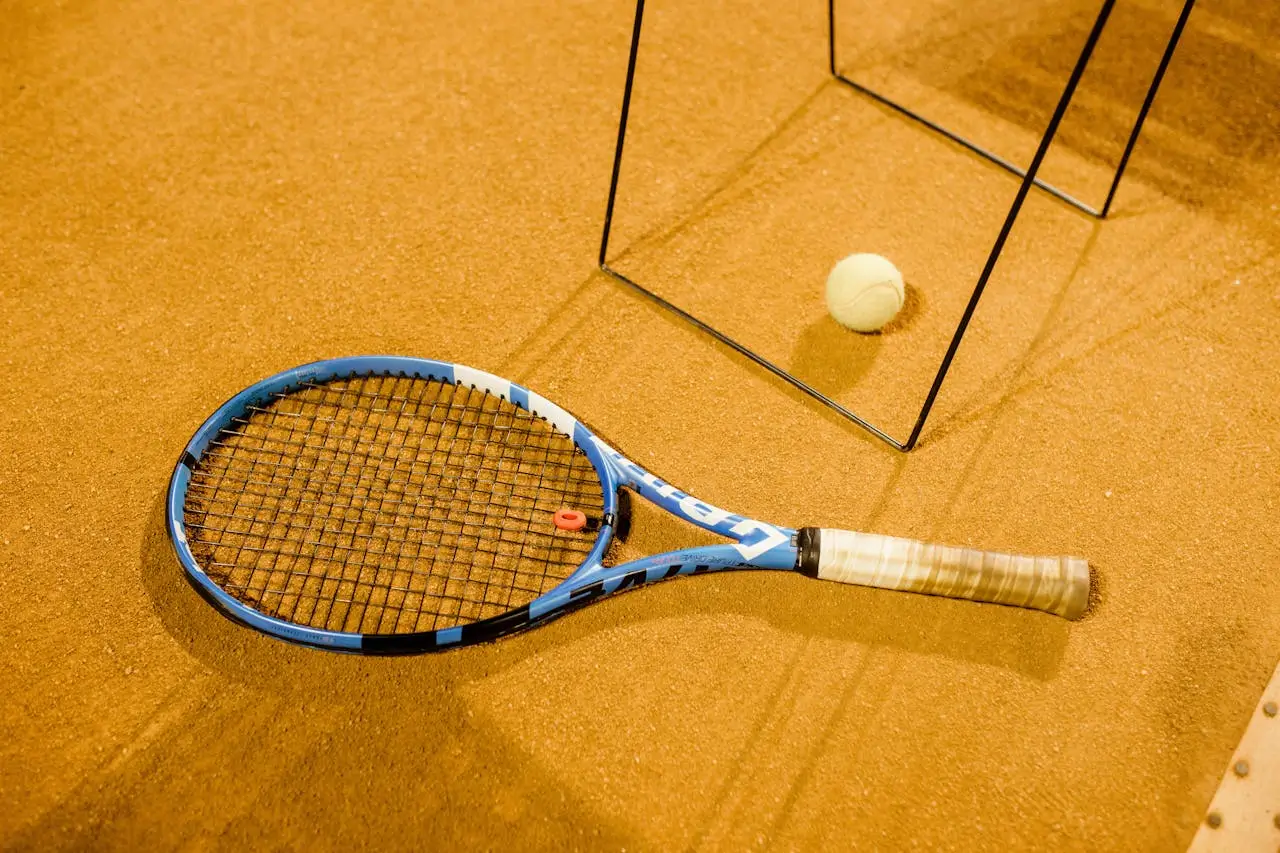
Surface variation continues to influence tennis strategy, requiring players to adapt their styles accordingly. Clay courts reward patience, spin, and endurance, while grass favors quick reactions and aggressive positioning. Hard courts offer a balance, demanding versatility and tactical awareness.
Modern players train to adjust strategies across surfaces, altering shot selection, positioning, and rally tolerance. This adaptability reflects the evolution of tennis into a more complete sport, where success depends on flexibility rather than specialization. Players who fail to adapt strategically often struggle outside their preferred conditions.
Point Construction and Pattern Play
Modern tennis strategy is built around point construction. Players develop patterns designed to exploit opponent weaknesses, such as targeting specific areas or drawing errors through repeated pressure. This pattern-based approach reduces reliance on improvisation, allowing players to control matches through disciplined execution.
Pattern play emphasizes consistency and decision-making. Players learn when to extend rallies and when to accelerate, balancing risk and reward. This strategic maturity separates elite competitors from those who rely solely on raw talent.
Defensive Strategy and Counterpunching
Defensive play has become an essential component of modern tennis strategy. Improved athleticism allows players to retrieve difficult shots and reset points from defensive positions. Counterpunching strategies focus on absorbing pace and forcing opponents into errors through consistency and depth.
This defensive capability has changed the psychological landscape of tennis. Players must work harder to finish points, as opponents are more capable of recovering and responding. Strategy now includes patience and resilience, recognizing that forcing winners against strong defenders often leads to mistakes.
Mental Strategy and Match Management
Modern tennis strategy extends beyond shot selection to include mental management. Players must understand momentum, manage emotions, and make tactical adjustments during matches. Strategic awareness includes recognizing when to change pace, slow the match, or increase aggression based on psychological dynamics.
Match management involves controlling tempo and energy expenditure. Players who manage emotions and momentum effectively often outperform technically superior opponents. This mental dimension reflects the increasing complexity of tennis strategy at the highest level.