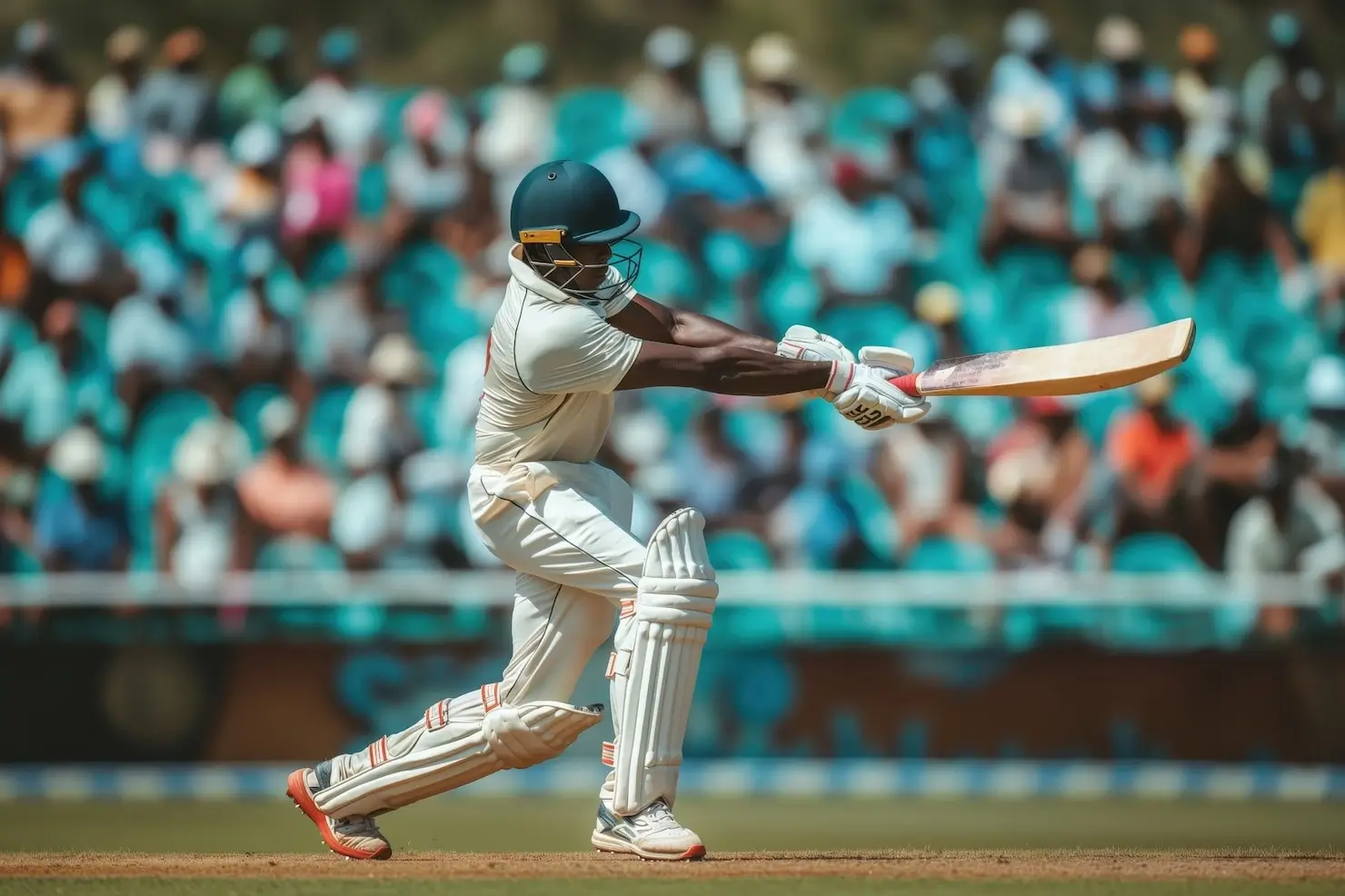
Cricket has undergone a remarkable transformation over the decades, evolving from a game defined by patience, technique, and subtle battles into one shaped by speed, power, and constant innovation. Classic cricket placed heavy emphasis on time at the crease, disciplined bowling spells, and strategic accumulation of runs, where matches unfolded slowly and rewards came through endurance and precision. In contrast, modern cricket thrives on intensity, athleticism, and instant impact, driven largely by shorter formats, packed schedules, and global audiences demanding faster results. Batting techniques have adapted to favour power-hitting and 360-degree shot-making, while bowlers rely more on variations, data-driven planning, and strict workload management than long, probing spells. Fielding standards have risen dramatically, turning what were once passive roles into decisive match-winning contributions. Technology, analytics, and franchise leagues have further accelerated change, influencing how players are trained, selected, and managed across formats. Yet despite these differences, the essence of cricket remains rooted in competition, skill, and adaptability. Modern cricket has not replaced the classic game so much as built upon it, reshaping traditions to suit contemporary demands while still drawing from foundational principles. Understanding how cricket has changed highlights not just a shift in style, but a broader evolution in mindset, where flexibility, innovation, and entertainment now coexist with the sport’s enduring respect for technique and strategy.