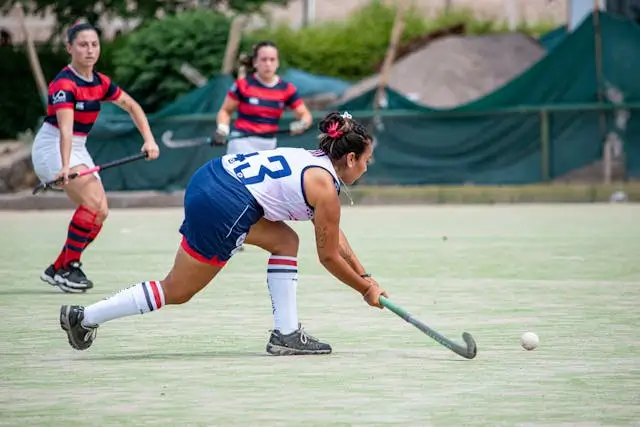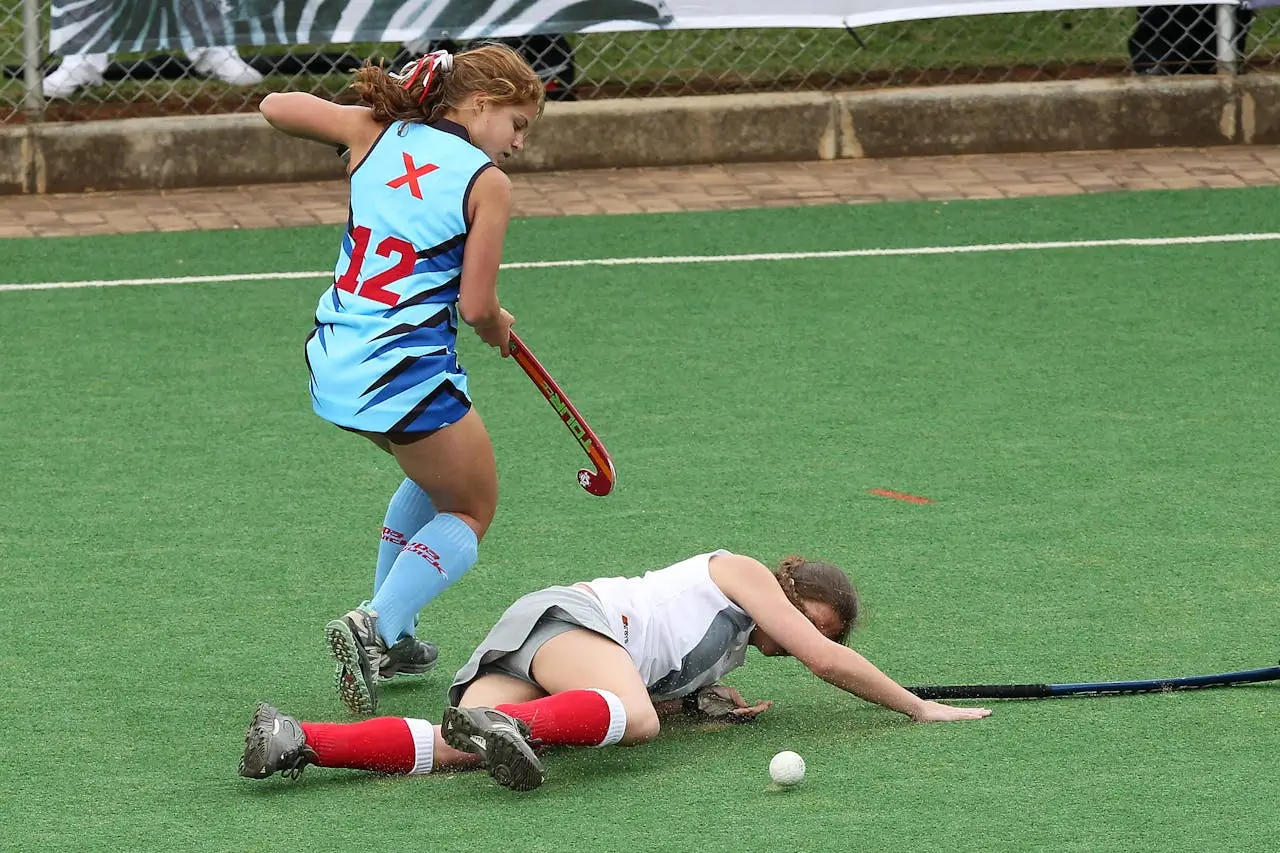
Hockey is a sport where outcomes are often decided in the smallest of moments. A single defensive lapse, a brief loss of focus, or one moment of hesitation can determine the result of an entire match. These pressure moments, whether they occur late in a close game or during critical phases such as power plays and penalty kills, test players in ways that go beyond physical ability. In such situations, performance is shaped by composure, confidence, and mental clarity. Hockey’s unforgiving nature means that pressure is constant, but it intensifies dramatically when the stakes are highest, revealing which players and teams can truly perform when the game is on the line.
The Nature of Pressure in Hockey
Pressure in hockey is unique because it is continuous rather than occasional. The speed of the game ensures that players are constantly exposed to risk, but pressure peaks during decisive moments. Close scorelines, late-game situations, and elimination scenarios magnify every action. Players are acutely aware that mistakes are costly and that opportunities may be limited. This awareness creates internal pressure that can either sharpen focus or overwhelm decision-making.
External factors add to this burden. Crowd intensity, expectations from teammates and coaches, and the significance of the match all contribute to psychological strain. Players must navigate these influences while maintaining tactical discipline and emotional control. Those who succeed learn to narrow their focus, concentrating only on immediate responsibilities rather than potential consequences.
Late-Game Situations and Mental Clarity
Late-game moments represent the ultimate test of pressure in hockey. As time winds down, urgency increases and emotions intensify. Teams may be protecting a narrow lead or pushing desperately for an equaliser, creating contrasting psychological demands. Defending teams must remain disciplined and patient, resisting the temptation to play too cautiously or clear the puck aimlessly. Attacking teams must balance urgency with structure, avoiding reckless decisions that invite counterattacks.
Mental clarity becomes essential during these moments. Fatigue often compounds pressure, making it harder to execute skills cleanly. Players who maintain clarity simplify their decisions, focusing on positioning, communication, and execution. This ability to remain composed late in games is often the difference between holding firm and conceding at the worst possible time.
Power Plays, Penalty Kills, and High-Stakes Execution
Special situations in hockey are among the most pressure-filled moments of a match. Power plays and penalty kills concentrate attention and expectation, as goals scored or conceded during these phases can dramatically shift momentum. Players involved in these situations are acutely aware of their importance, increasing psychological tension.
Successful execution during special situations relies on trust in systems and preparation. Players who understand their roles and responsibilities are less likely to panic or deviate under pressure. Discipline and patience are critical, as forcing plays or abandoning structure often leads to mistakes. Teams that perform well in these moments demonstrate collective confidence, executing plans with precision despite heightened stakes.
Individual Responsibility and Decision-Making Under Pressure
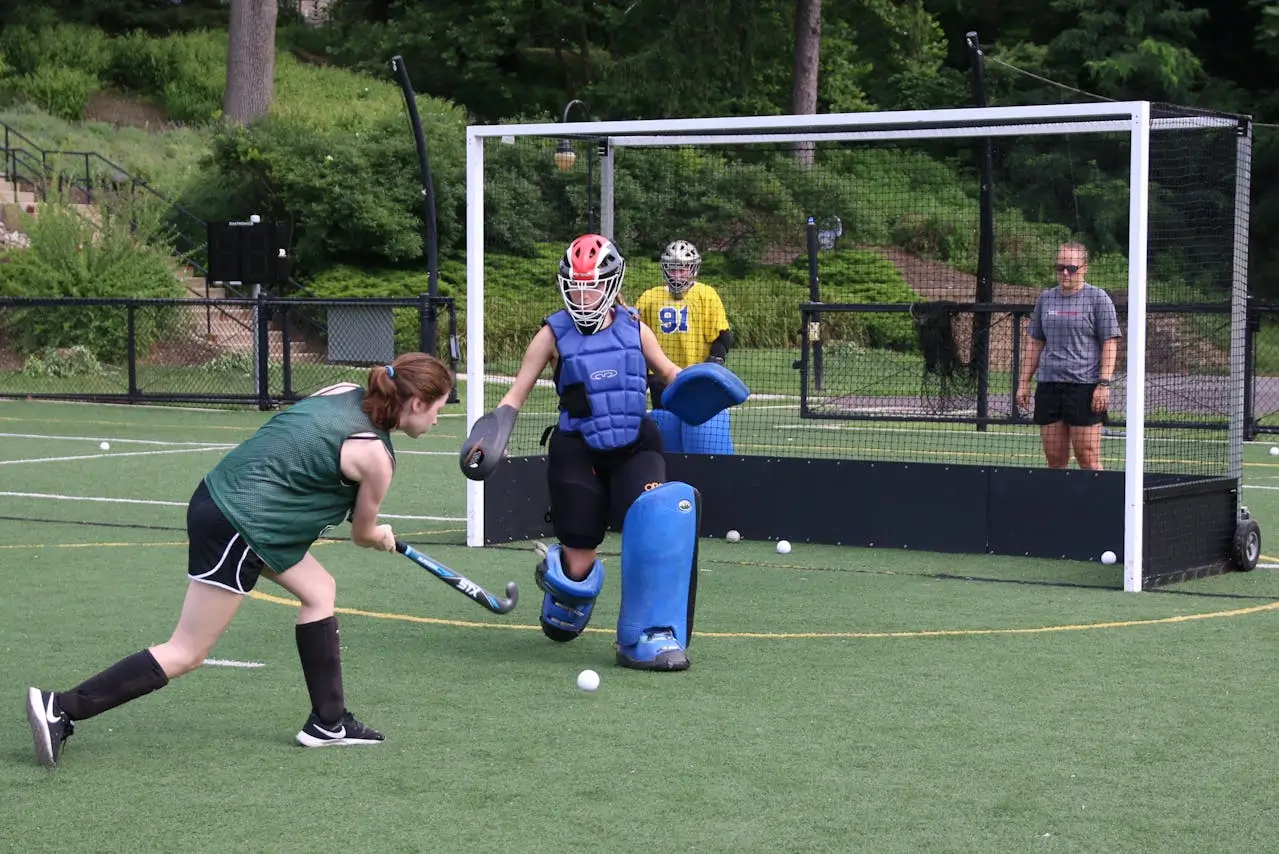
Pressure moments often place individual players in the spotlight. A defender facing a one-on-one situation, a forward presented with a scoring chance, or a goalkeeper tasked with making a crucial save must perform while fully aware of the consequences. This individual responsibility can be mentally taxing, particularly when outcomes are uncertain.
Players who handle these moments effectively trust their instincts and preparation. Rather than attempting something extraordinary, they focus on executing fundamentals with confidence. Overthinking often leads to hesitation, while decisive action enhances performance. Experience plays a significant role here, as players who have encountered similar situations before are better equipped to manage emotional intensity.
The Role of Experience in Pressure Performance
Experience is one of the most valuable assets in pressure situations. Veteran players have faced high-stakes moments repeatedly, allowing them to develop coping mechanisms for stress and expectation. They understand that pressure is an inherent part of hockey and that composure often outweighs urgency.
Experienced players also contribute by calming teammates and reinforcing focus. Their presence alone can stabilise a team, providing reassurance during chaotic moments. This influence is particularly evident during late-game scenarios, where emotional control and situational awareness are paramount.