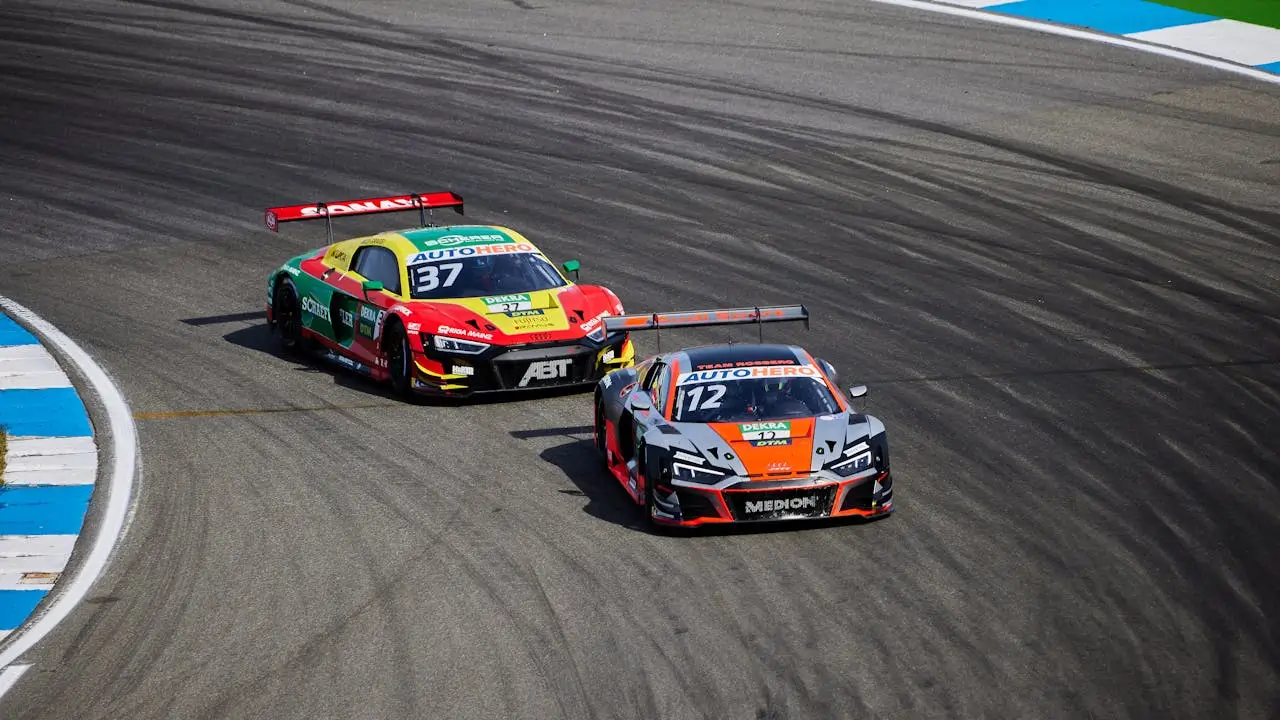
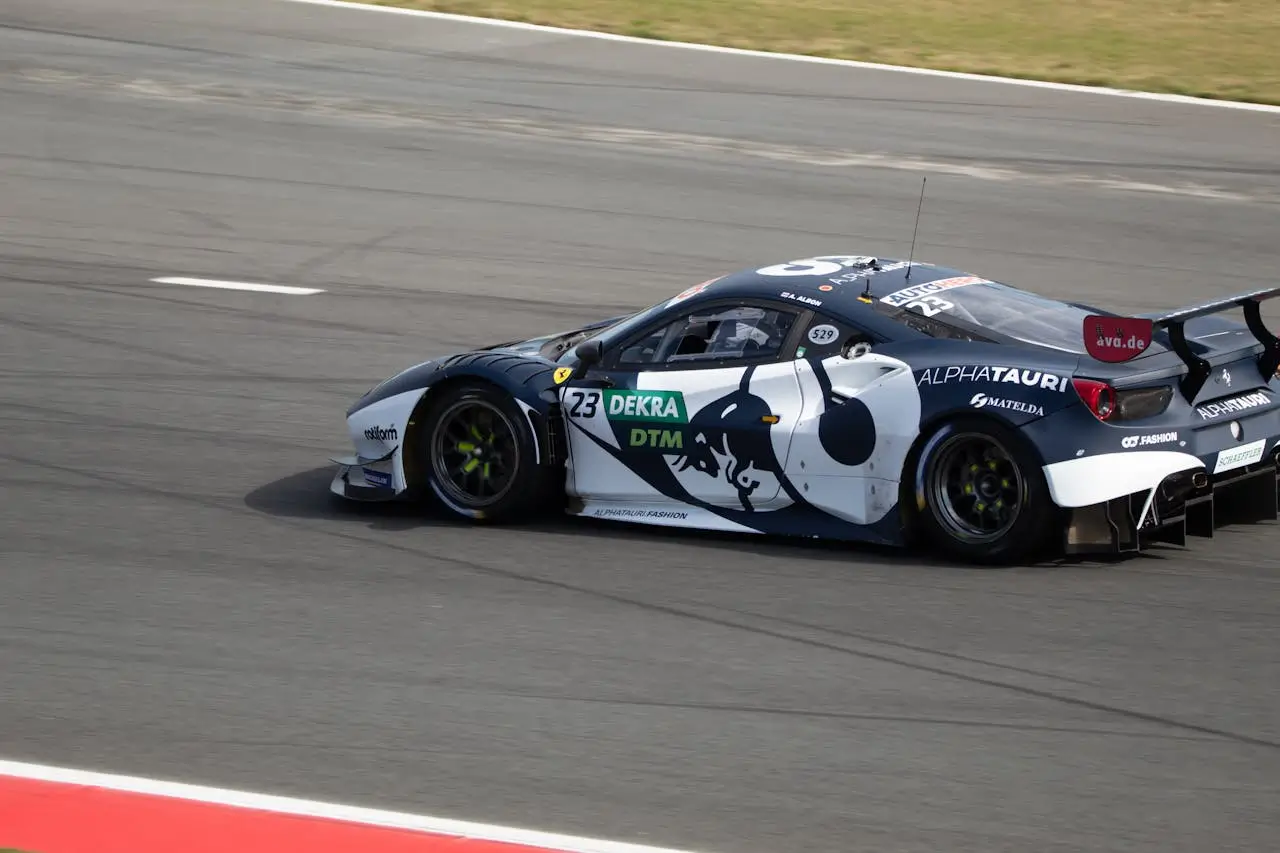
Motorsports are often framed as a test of speed, engineering, and physical endurance, but the psychological demands placed on drivers are equally decisive. Racing requires sustained concentration, emotional control, and the ability to make accurate decisions under extreme pressure. Drivers operate in an environment where mistakes are costly, consequences are immediate, and mental lapses can end races or careers. Unlike many sports where errors can be corrected over time, motorsports demand constant mental precision, making psychology a defining element of performance. At the highest level, success is determined not only by talent and preparation but by the strength of the mind behind the wheel.
Racing as a Continuous Mental Challenge
Motorsports present one of the most mentally demanding competitive environments in sport. Drivers must maintain intense focus for extended periods while processing vast amounts of information at high speed. Track conditions, competitor positioning, car behaviour, and strategic instructions must all be interpreted and acted upon simultaneously. There is little room for distraction, as even a momentary lapse in attention can result in loss of control or missed opportunities.
Mental fatigue accumulates over the course of a race, particularly during long stints or challenging conditions. As fatigue increases, the brain’s ability to process information efficiently declines, affecting reaction time and decision-making. Elite drivers train their minds to remain sharp despite exhaustion, developing techniques to reset focus and maintain awareness lap after lap. This mental endurance allows them to perform consistently even as pressure intensifies.
Decision-Making Under Pressure
Decision-making in motorsports occurs at speeds far beyond everyday experience. Drivers must choose racing lines, braking points, and overtaking opportunities in fractions of a second. Under pressure, the mind can become overloaded, increasing the risk of hesitation or impulsive action. Successful drivers strike a balance between instinct and control, trusting their preparation while remaining adaptable to changing circumstances.
Experience plays a crucial role in sharpening decision-making. As drivers encounter similar scenarios repeatedly, they develop mental frameworks that allow them to respond instinctively rather than consciously analysing every situation. This instinctive response reduces cognitive strain and enables smoother, more confident execution. Drivers who overthink decisions often lose time or create unnecessary risk, highlighting the importance of mental clarity under stress.
Confidence and Commitment at High Speed
Confidence is fundamental to racing performance. Drivers must commit fully to racing lines, braking zones, and overtaking manoeuvres, often at extreme speeds. Hesitation compromises momentum and increases danger, while confident commitment enables smooth, controlled driving. This confidence is built through preparation, repetition, and trust in one’s abilities.
Loss of confidence can quickly undermine performance. A single mistake or near-miss can create doubt, causing drivers to drive cautiously or second-guess decisions. Mental resilience allows drivers to restore confidence quickly, understanding that errors are part of racing. Those who recover mentally after setbacks maintain competitiveness, while those who dwell on mistakes often spiral into further errors.
Managing Fear and Risk
Fear is an unavoidable element of motorsports. High speeds, close competition, and inherent danger create a constant awareness of risk. Successful drivers do not eliminate fear but learn to manage it effectively. They acknowledge risk without allowing it to dominate decision-making, maintaining focus on execution rather than potential consequences.
Managing fear requires emotional regulation and self-awareness. Drivers must recognise when fear is influencing behaviour and adjust accordingly. Those who allow fear to dictate actions often hesitate or avoid necessary risks, while those who manage fear channel it into heightened focus and precision. This balance between caution and aggression defines effective racecraft.
Focus, Distraction, and Mental Control
Sustained focus is one of the greatest psychological challenges in motorsports. Drivers must remain mentally present despite noise, vibration, radio communication, and external pressure. Distractions can arise from mechanical issues, competitor behaviour, or internal thoughts, all of which threaten concentration.
Mental control allows drivers to maintain focus on immediate tasks. Techniques such as controlled breathing, visual focus, and mental routines help drivers anchor attention during high-stress moments. These techniques reduce cognitive overload and allow drivers to remain immersed in the flow of racing. Focused drivers are better equipped to anticipate developments and react effectively.