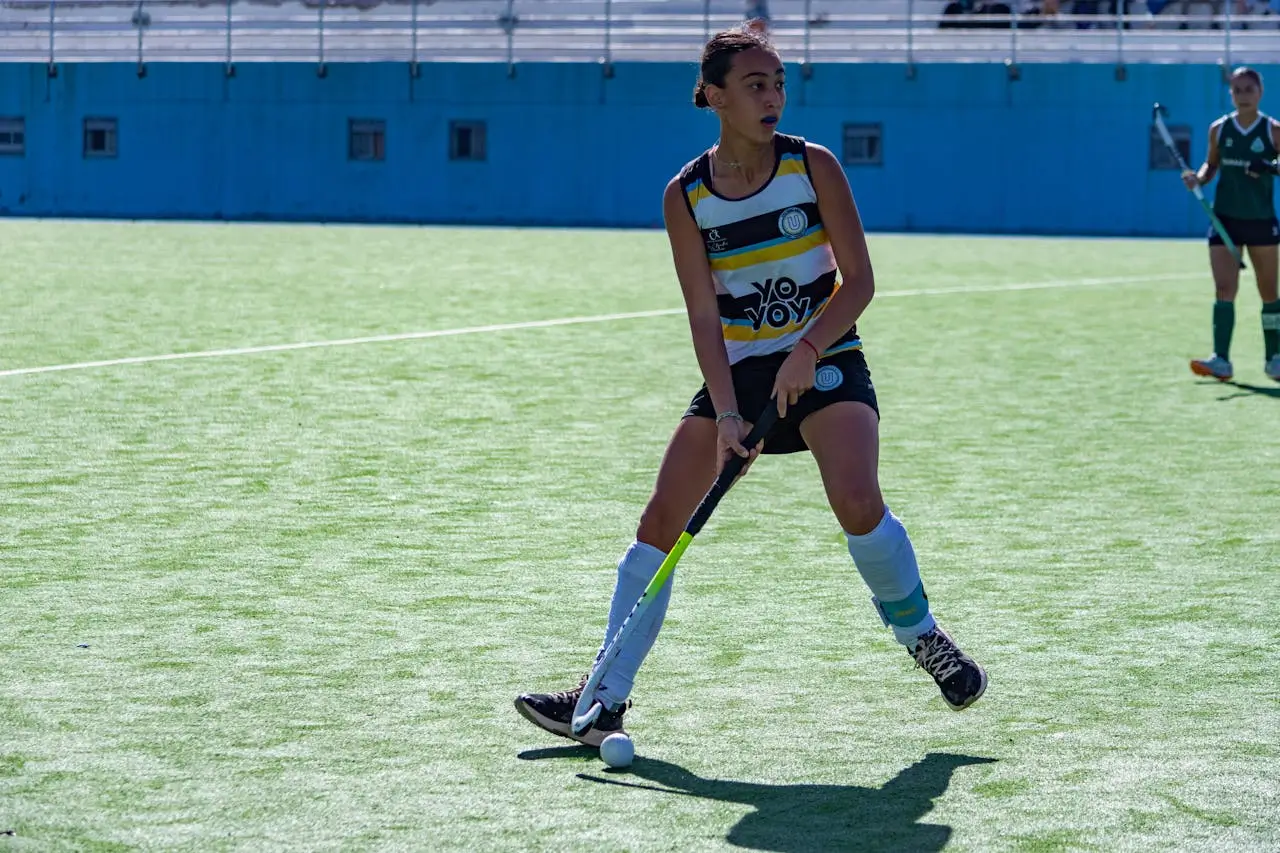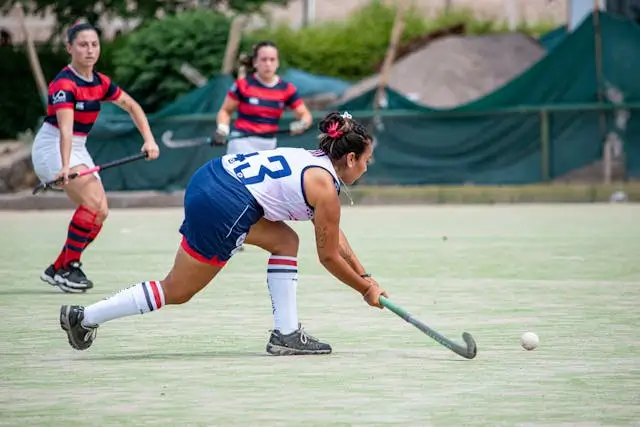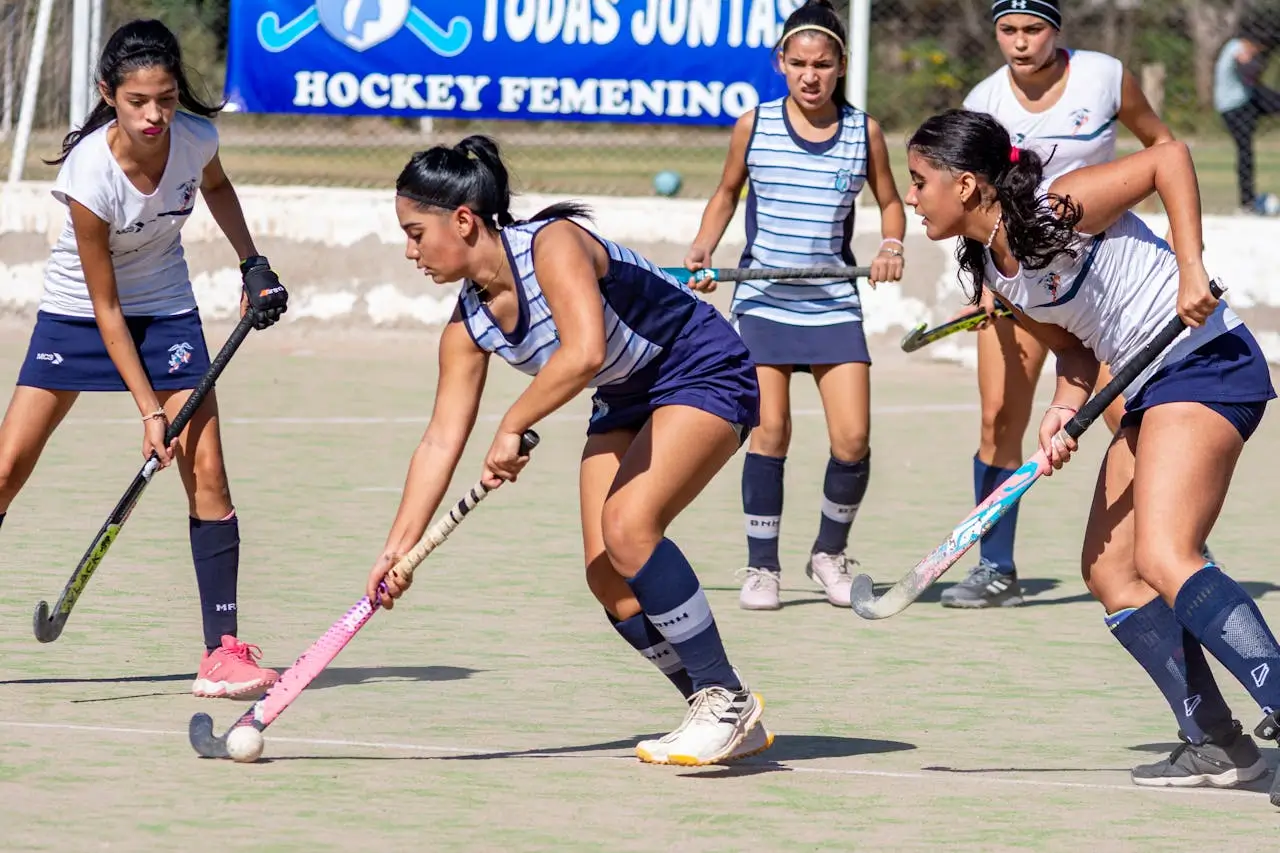
Hockey is a sport built on speed, structure, and shared responsibility, but beneath its physical demands lies a deeper reliance on leadership and team chemistry. No matter how skilled individual players may be, success in hockey depends on how well a team functions as a unified unit. Leadership shapes behaviour, mindset, and standards, while chemistry determines how effectively players connect on and off the ice or field. Together, these elements influence consistency, resilience, and the ability to perform under pressure. In a game where coordination and trust are essential, leadership and chemistry often become the deciding factors between teams that compete and teams that win.
The Nature of Leadership in Hockey
Leadership in hockey extends far beyond wearing a captain’s badge. It is expressed through actions, communication, and emotional control during the most demanding moments of competition. Hockey leaders are expected to set the standard for effort, discipline, and focus, particularly when momentum shifts or adversity strikes. Their behaviour influences how teammates respond to pressure, mistakes, and physical challenges.
Because hockey is fast and physically intense, leadership often manifests in subtle ways. A calm presence during a defensive stand, clear communication during a line change, or a composed response to a controversial decision can stabilise an entire team. Effective leaders understand that their reactions are constantly observed and that emotional discipline is contagious. By remaining composed, they help maintain structure and confidence across the team.
Trust as the Core of Team Chemistry
Team chemistry in hockey is built on trust. Players must trust that teammates will be in the right position, fulfil their responsibilities, and support one another during challenging moments. This trust allows players to commit fully to systems without hesitation. When trust is strong, decision-making becomes faster and more instinctive, which is essential in a sport where time and space are limited.
Trust is developed through shared experience, consistent effort, and accountability. Teams that train and compete together over time develop an intuitive understanding of each other’s tendencies. This familiarity reduces uncertainty and strengthens cohesion, enabling players to anticipate actions rather than react late. When trust is lacking, hesitation creeps into play, disrupting flow and exposing weaknesses.
Communication and On-Ice Connection
Effective communication is a defining characteristic of strong hockey teams. Because the game moves so quickly, players rely on constant verbal and non-verbal cues to stay organised. Clear communication supports defensive coverage, smooth transitions, and effective attacking movement. Leaders often play a central role in maintaining communication, ensuring teammates remain connected even during chaotic phases of play.
Beyond verbal instructions, communication in hockey includes body language and effort. A committed backcheck, a supportive gesture after a mistake, or a calm presence during pressure situations reinforces collective confidence. Teams that communicate well are better equipped to adjust tactics, recover from errors, and maintain intensity throughout matches.
Role Acceptance and Collective Responsibility
Winning hockey teams are defined by players who understand and accept their roles. Not every player will be a primary scorer or headline performer, but every role contributes to the team’s success. Leadership helps reinforce the value of each contribution, ensuring players feel respected and motivated regardless of their position or minutes played.