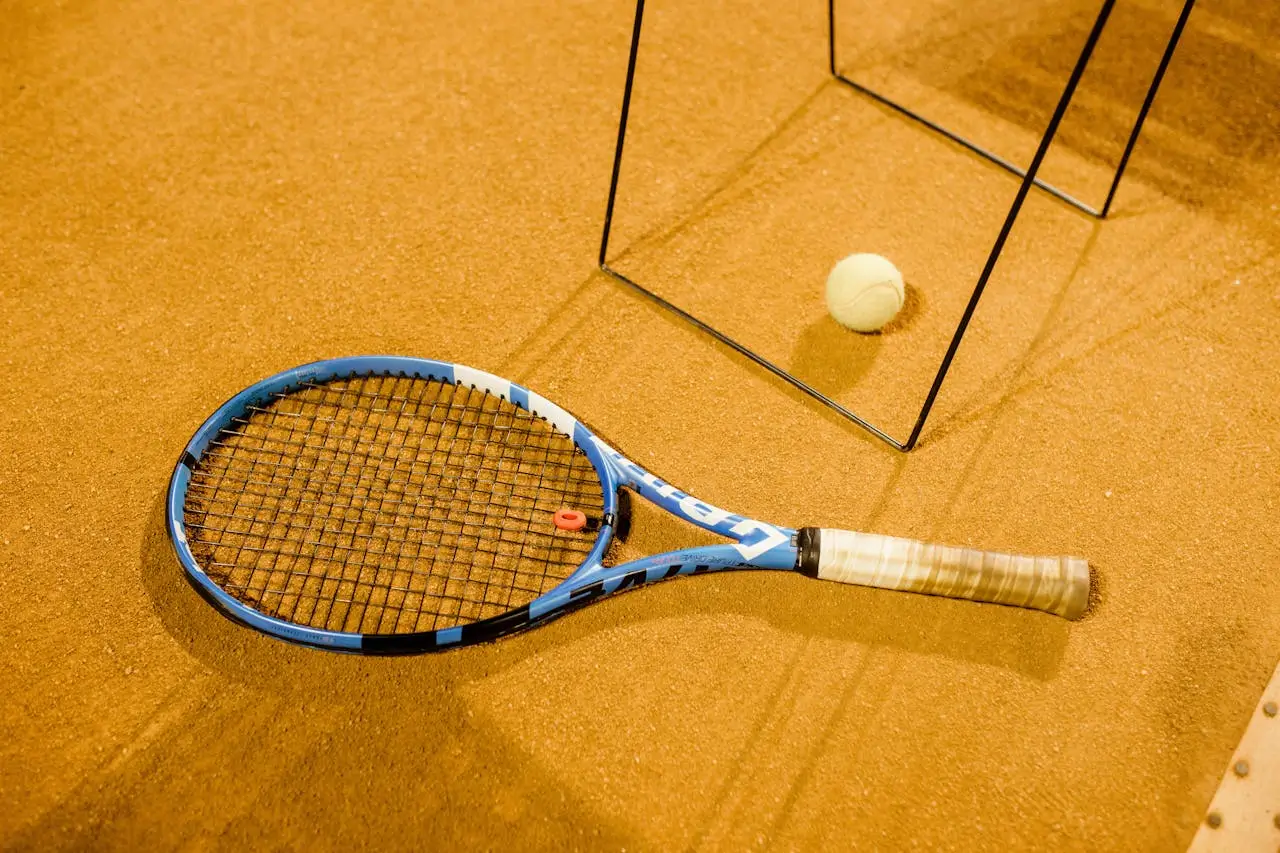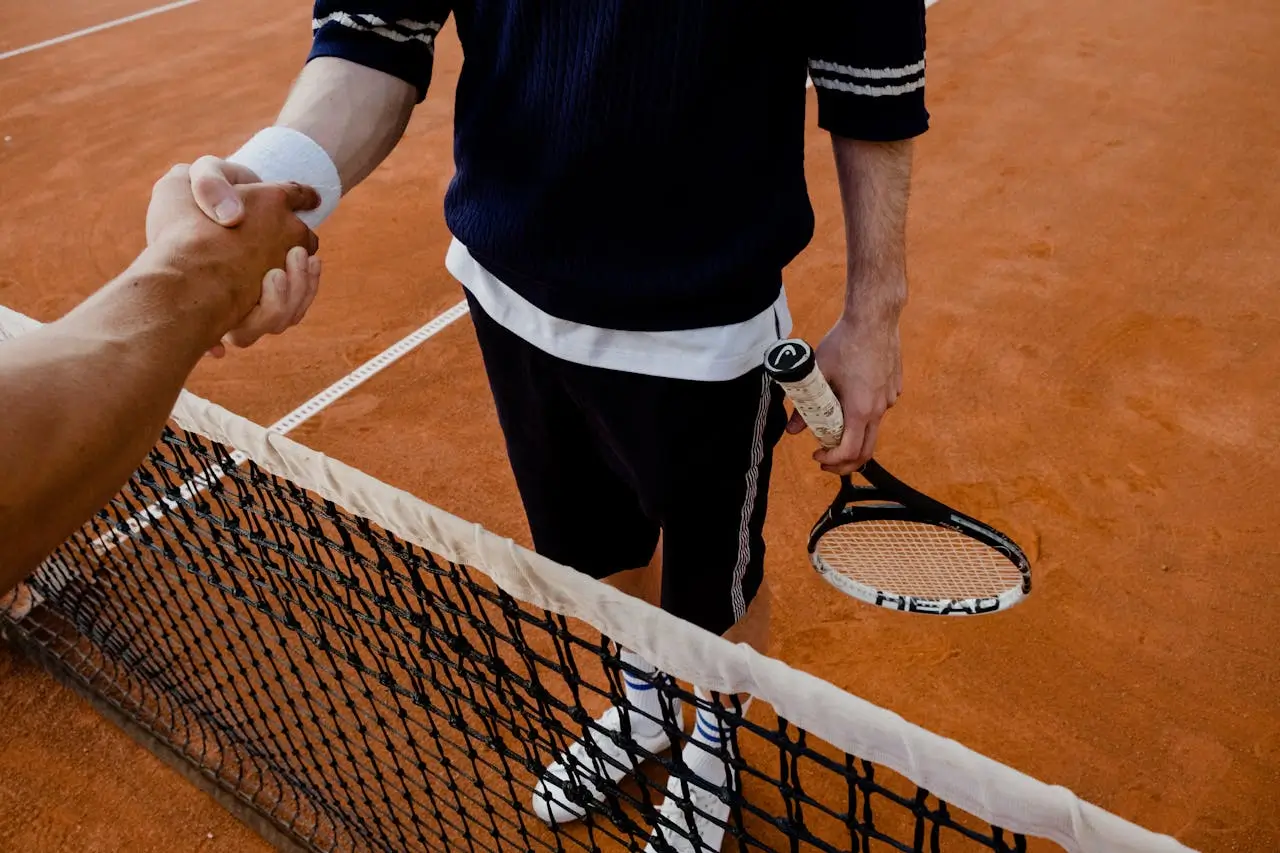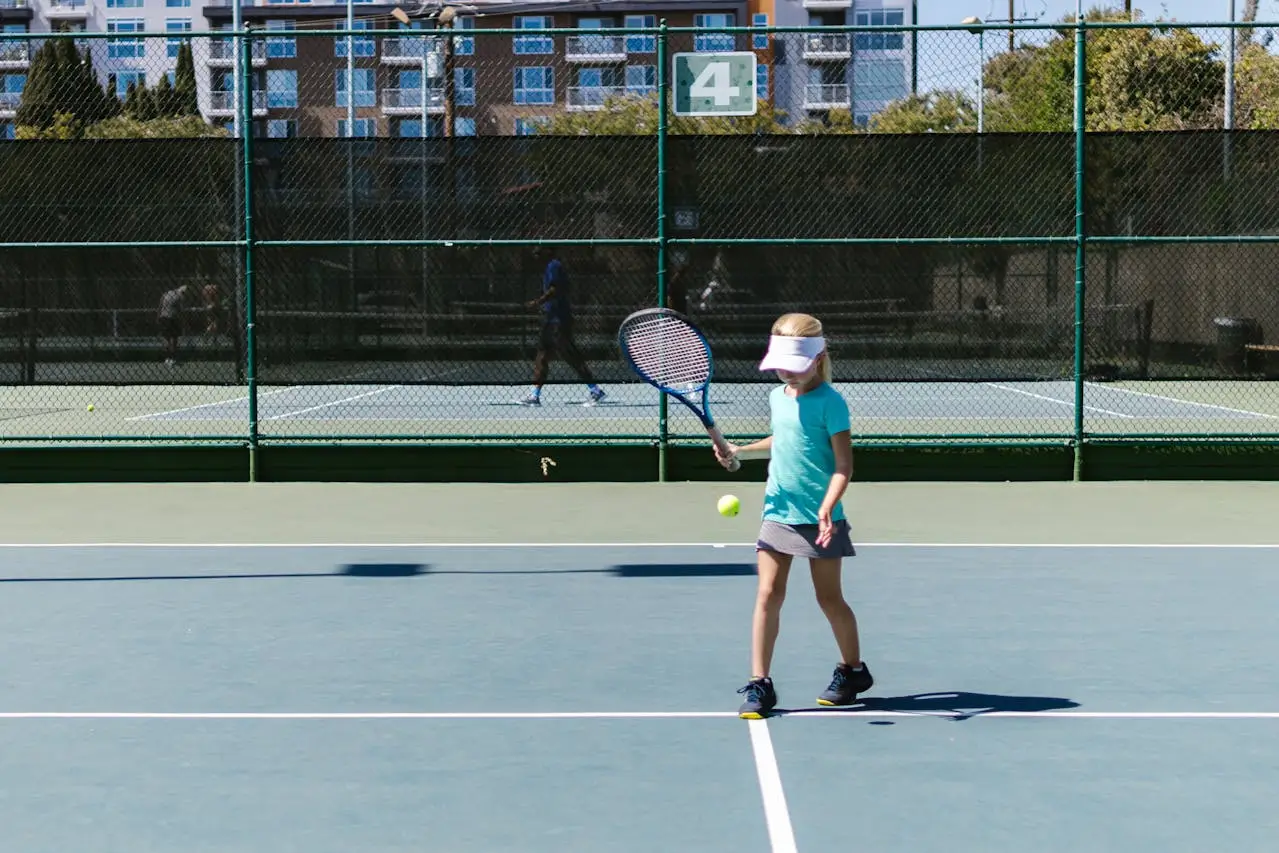
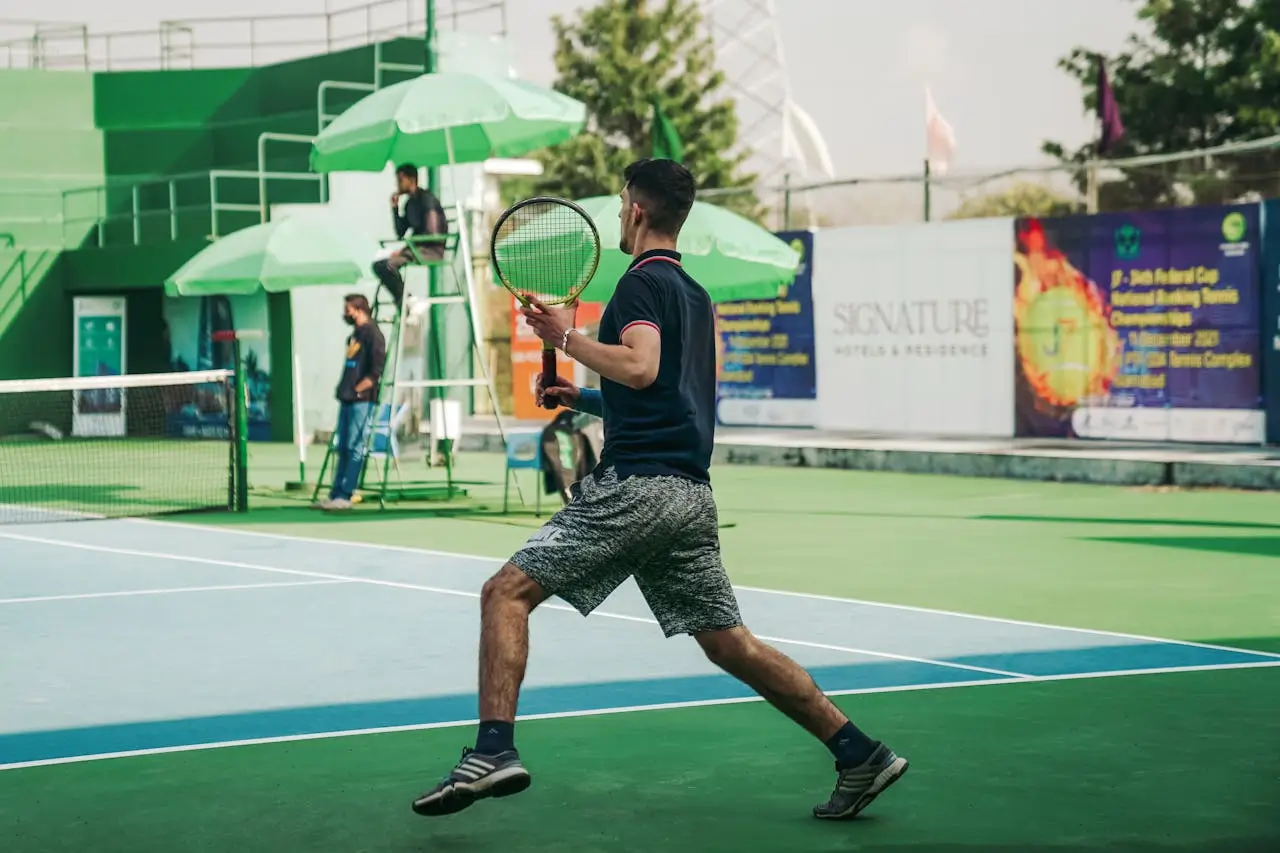
Tennis is often perceived as a graceful and individual sport, but beneath its controlled movements and elegant technique lies one of the most demanding competitive environments in modern athletics. Tennis players must combine explosive physical effort with sustained mental concentration across matches that can last several hours. Unlike team sports, tennis offers no opportunity to hide behind teammates or pause during play, placing complete responsibility on the individual. Every point becomes a mental and physical test, requiring resilience, adaptability, and composure under constant pressure. Success in tennis is defined not only by technical skill but by the ability to endure, adjust, and perform consistently in a solitary and unforgiving arena.
Tennis as a Test of Complete Athleticism
Tennis demands a rare blend of speed, strength, endurance, coordination, and agility. Players are required to sprint, stop, change direction, and strike the ball with precision repeatedly throughout a match. These movements place significant strain on the legs, core, and upper body, particularly during long rallies and extended matches. Unlike many sports with predictable pacing, tennis fluctuates constantly between explosive points and brief recovery periods, challenging both aerobic and anaerobic systems.
Physical fatigue accumulates as matches progress, affecting footwork, timing, and shot selection. Players who lack conditioning struggle to maintain intensity and accuracy late in matches, often committing unforced errors under pressure. Elite players train their bodies to sustain high performance levels despite exhaustion, allowing them to execute shots cleanly even when physically taxed.
Endurance and Longevity in Match Play
Endurance is one of the most critical yet underestimated components of tennis performance. Matches can extend well beyond expectations, particularly in high-level competition where margins are slim and rallies are contested fiercely. Players must be prepared to compete at full intensity for hours, sometimes across consecutive days during tournaments.
As endurance wanes, mental clarity often declines alongside physical output. Decision-making becomes rushed, movement less precise, and emotional control harder to maintain. Players with superior endurance maintain tactical discipline deep into matches, enabling them to exploit opponents’ fatigue rather than succumb to their own. This sustained performance often determines outcomes in closely contested encounters.
The Mental Isolation of Individual Competition
Tennis is uniquely demanding psychologically because it is played alone. Players must solve problems independently, manage emotions without external intervention, and remain mentally engaged throughout competition. There are no substitutions or timeouts to reset mentally, making emotional self-regulation essential.
The solitary nature of tennis magnifies pressure. Missed opportunities, unforced errors, and momentum shifts are felt immediately, and players must recover mentally without reassurance. Those who struggle with isolation often experience frustration or self-doubt, while mentally strong players use solitude to sharpen focus and maintain composure.
Decision-Making Under Constant Pressure
Every point in tennis presents a decision, from shot selection and positioning to risk assessment and tactical adjustment. These decisions must be made quickly, often under physical strain and emotional tension. Players must balance aggression with consistency, knowing that overreaching can be just as damaging as passivity.
Under pressure, poor decision-making can lead to cascading errors. Successful players simplify choices during critical moments, relying on trusted patterns and preparation. Experience plays a key role in developing this clarity, allowing players to recognise situations instinctively rather than overthinking under stress.
Emotional Control and Momentum Swings
Tennis matches are defined by momentum shifts. A single break of serve, disputed call, or missed chance can change the emotional tone of a match instantly. Managing these swings requires emotional discipline, as frustration or overexcitement often leads to lapses in focus.
Elite players regulate emotions effectively, responding to adversity with composure rather than reaction. This emotional control allows them to remain tactically sound even when momentum turns against them. Players who allow emotions to dictate behaviour often lose rhythm, compounding errors during critical phases of a match.