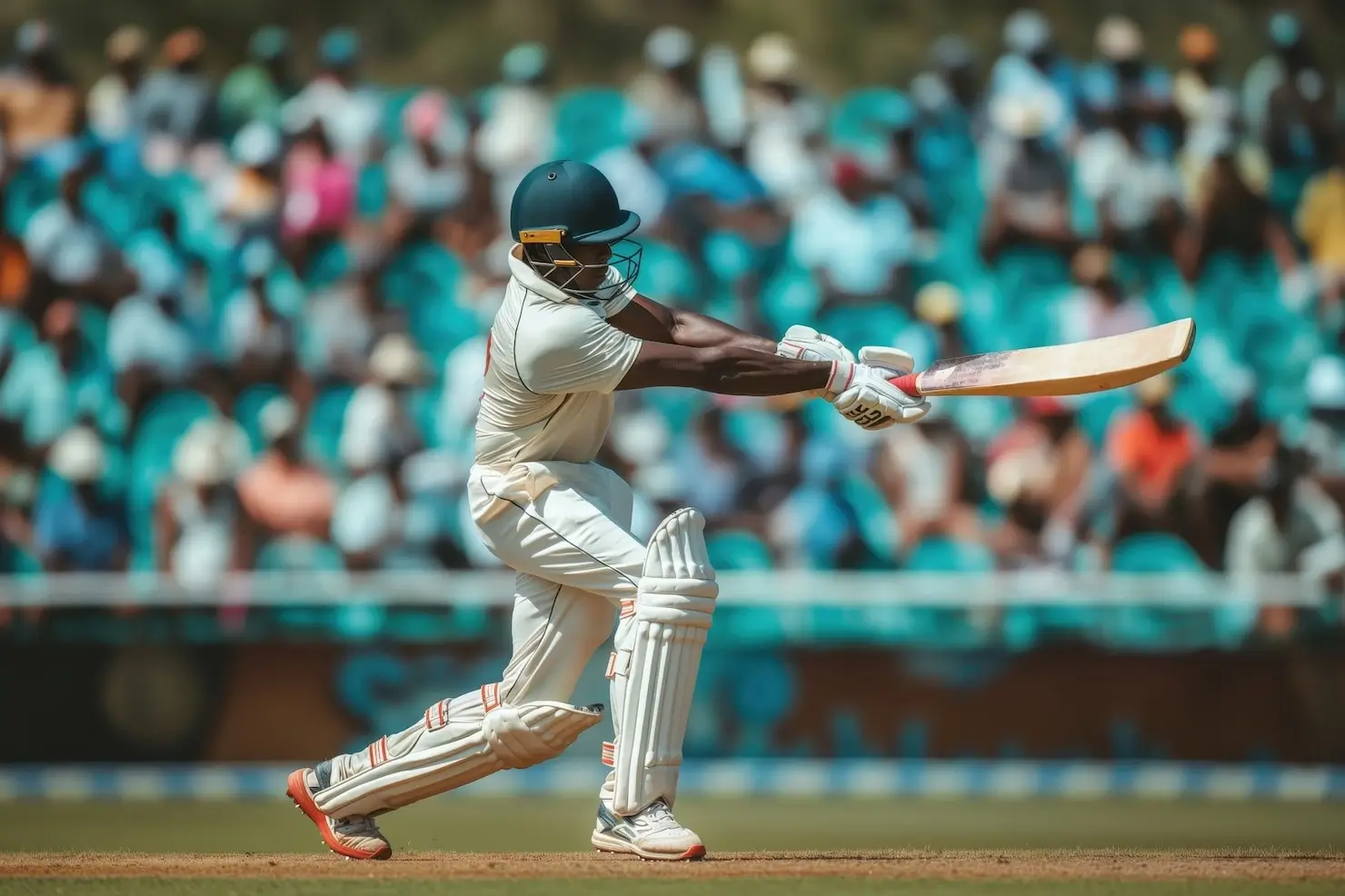
T20 leagues have transformed cricket in ways that extend far beyond entertainment, fundamentally reshaping the international game. What began as a shorter, fan-friendly format has evolved into a powerful global ecosystem that influences player priorities, national team planning, and the economics of cricket. Franchise leagues now offer financial security, exposure, and year-round opportunities that international schedules often cannot match, leading players to balance national duty with professional longevity. This shift has forced cricket boards to rethink workload management, player contracts, and the structure of international calendars. The impact is also visible on the field, where aggressive batting, innovative bowling variations, and athletic fielding hallmarks of T20 leagues are increasingly shaping how international cricket is played across all formats. Young players are developing skills tailored for high-pressure, fast-paced environments, while selectors adapt strategies to reflect modern demands. As T20 leagues continue to grow in influence and popularity, international cricket is being pushed to evolve, blending tradition with commercial reality. The relationship between franchise cricket and the international game is no longer separate but deeply interconnected, redefining what success and sustainability look like in modern cricket.